Defining the Based Reserve
In the world of crypto and Web3 infrastructure, a Based Reserve is not an HOA savings account or a corporate capital reserve. It is a specific on-chain treasury strategy designed to maintain stability and liquidity through algorithmic or collateralized backing. Unlike traditional real estate reserve studies, which calculate future repair costs for physical assets, a Based Reserve focuses on the financial sustainability of a digital protocol.
The term "Based" originates from the ethos of building on foundational, immutable assets—often Bitcoin or Ethereum—rather than relying on speculative, unbacked tokens. A Based Reserve holds these underlying assets to back the protocol’s liabilities or stablecoins. This approach prioritizes solvency and transparency, ensuring that the reserve can withstand market volatility without requiring emergency interventions or special assessments from users.
This distinction is critical for market strategy. When analyzing a protocol’s resilience, you are not looking at how well it maintains a roof; you are evaluating how effectively it manages digital collateral. The Based Reserve serves as the bedrock of trust, separating robust infrastructure from fragile, highly leveraged schemes.
Core Infrastructure Components
The Based Reserve functions less like a static savings account and more like a strategic logistics hub. Its stability depends on three interconnected pillars: liquidity buffers, asset allocation models, and automated rebalancing protocols. These components are not merely administrative; they are the primary data points that signal market resilience. When these systems operate correctly, they absorb shock. When they fail, the entire structure collapses.
Liquidity Buffers
Liquidity is the oxygen of the reserve. It ensures that immediate obligations—whether maintenance, debt service, or emergency repairs—can be met without disrupting long-term holdings. A robust buffer acts as a shock absorber, smoothing out volatility in cash flow. If the buffer is too thin, the system becomes fragile, forced to sell assets at a loss during downturns. If it is too thick, capital sits idle, losing value to inflation. The goal is precision: enough to survive the worst-case scenario, but not so much that efficiency is sacrificed.
Asset Allocation Models
Asset allocation determines how risk is distributed across the reserve. This is not a set-it-and-forget-it strategy. It requires constant calibration based on the reserve’s timeline and risk tolerance. A common mistake is over-concentrating in low-yield, high-safety instruments. While this protects principal, it erodes purchasing power over time. Conversely, chasing high yields exposes the reserve to unacceptable volatility. The optimal model balances safety with growth, often using a tiered approach where short-term needs are held in cash equivalents and long-term needs are invested in diversified assets.
Automated Rebalancing Protocols
Human intervention is the weakest link in reserve management. Emotions lead to panic selling or greedy holding. Automated protocols remove bias, executing trades based on pre-defined rules. When an asset class deviates from its target allocation, the system automatically buys low and sells high to restore balance. This discipline is critical for maintaining the reserve’s integrity over decades. It ensures that the infrastructure remains aligned with the original strategy, regardless of market noise.

Analyzing Reserve Health
A Based Reserve’s stability depends on how well it balances solvency, liquidity, and yield. When evaluating reserve models, you must look past the headline yield and inspect the underlying risk profile. A reserve that looks healthy on paper can fail quickly if its assets are illiquid or if the collateral degrades during market stress.
The core challenge is determining whether the reserve can meet its obligations without forced liquidation. This requires a framework that compares different reserve structures side-by-side. Below, we break down the primary models used in market strategy, highlighting their distinct risk, yield, and liquidity characteristics.
| Model | Risk Level | Yield Potential | Liquidity |
|---|---|---|---|
| Cash-Backed | Low | Low | High |
| Tokenized Real-World Assets | Medium | Medium | Medium |
| Algorithmic Yield Farming | High | High | Low |
| Hybrid Multi-Asset | Medium-High | Medium-High | Medium |
Understanding these trade-offs is critical for long-term solvency. Cash-backed reserves offer safety but suffer from inflation erosion. Tokenized assets provide a middle ground but introduce counterparty risk. Algorithmic models chase high yields but often lack the liquidity to handle sudden redemption pressure. A hybrid approach is increasingly common, aiming to balance these competing forces.
Tools for market research
Building a reserve strategy requires more than gut feeling; it demands data. Whether you are managing HOA funds, corporate capital, or personal wealth, the right tools help you forecast liabilities and allocate capital efficiently. The following platforms and resources provide the infrastructure needed to gather accurate data for strategy formulation.
Reserve study software
For property managers and HOA boards, specialized software automates the complex math of component lifespans and replacement costs. These tools generate the detailed reports required by lenders and boards to justify special assessments or deferred maintenance. Platforms like Community Association Institute (CAI) standards-aligned tools offer structured templates that ensure compliance with industry benchmarks.
Financial modeling spreadsheets
Not every reserve is tied to real estate. Corporate treasurers and nonprofit directors often rely on customized Excel or Google Sheets models to track capital reserves against revenue streams. These spreadsheets allow for scenario planning, helping you visualize how different contribution rates impact long-term solvency. Look for templates that incorporate discount rates and inflation adjustments to reflect real-world economic conditions.
Real-time market data widgets
For investment reserves, tracking the underlying assets is non-negotiable. Use provider-backed widgets to monitor the performance of the securities or commodities backing your reserve fund. This ensures your strategy remains aligned with current market volatility.
Secure asset storage
Once your research identifies the optimal reserve allocation, securing those assets is the next critical step. Hardware wallets and secure digital vaults protect your capital from digital threats. Ensure your chosen tools support the specific asset classes you plan to hold.

As an Amazon Associate, we may earn from qualifying purchases.
Building a reserve strategy
A Based Reserve strategy is not a passive holding pattern; it is an active defense mechanism against market volatility. By treating your reserve like a financial shock absorber, you protect your core capital while maintaining the liquidity needed to navigate sudden downturns. The goal is longevity, not just short-term yield.
Step 1: Assess baseline liquidity needs
Before deploying capital into reserve assets, calculate your exact operational runway. This involves identifying fixed costs, potential emergency repairs, and mandatory maintenance schedules. Official reserve studies for property management emphasize that the primary purpose of these funds is to avoid special assessments or forced liquidations during crises [src-serp-1]. Determine the minimum cash buffer required to keep operations running without interruption.
Step 2: Categorize reserve assets by risk
Not all reserve components serve the same function. Separate your holdings into immediate liquidity (cash/stablecoins) and long-term stability (blue-chip assets). This tiered approach ensures you have quick access to funds for urgent needs while allowing the bulk of your reserve to appreciate over time. Avoid mixing high-yield, high-risk tokens with your core safety net.
Step 3: Set contribution targets
Establish a consistent monthly or quarterly contribution rate based on your income or project revenue. Regular deposits build the reserve’s value over time, preparing you for both routine replacements and unexpected financial shocks [src-serp-5]. Treat these contributions as non-negotiable expenses, similar to insurance premiums or tax obligations.
Step 4: Monitor and rebalance
Market conditions change, and so should your reserve allocation. Review your asset mix quarterly to ensure it still aligns with your risk tolerance and liquidity needs. If certain assets have appreciated significantly, consider taking profits to rebalance back to your target percentages. This disciplined approach prevents overexposure to any single asset class.
Step 5: Document and audit
Keep clear records of all reserve transactions, contributions, and withdrawals. Regular audits help identify discrepancies and ensure compliance with your strategic plan. Transparency builds trust with stakeholders and provides a clear historical record for future planning. Use official or primary sources for valuation data to maintain accuracy [src-serp-4].
Calculate your exact operational runway by identifying fixed costs and mandatory maintenance schedules. Official reserve studies emphasize that the primary purpose of these funds is to avoid special assessments or forced liquidations during crises [src-serp-1]. Determine the minimum cash buffer required to keep operations running without interruption.
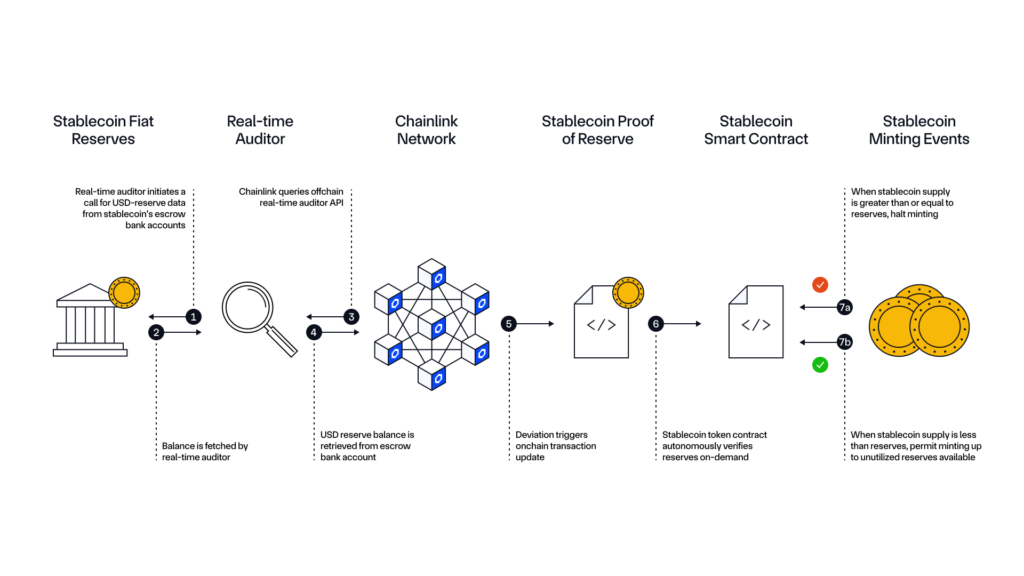
Separate your holdings into immediate liquidity (cash/stablecoins) and long-term stability (blue-chip assets). This tiered approach ensures you have quick access to funds for urgent needs while allowing the bulk of your reserve to appreciate over time. Avoid mixing high-yield, high-risk tokens with your core safety net.
Establish a consistent monthly or quarterly contribution rate based on your income or project revenue. Regular deposits build the reserve’s value over time, preparing you for both routine replacements and unexpected financial shocks [src-serp-5]. Treat these contributions as non-negotiable expenses, similar to insurance premiums or tax obligations.

Market conditions change, and so should your reserve allocation. Review your asset mix quarterly to ensure it still aligns with your risk tolerance and liquidity needs. If certain assets have appreciated significantly, consider taking profits to rebalance back to your target percentages. This disciplined approach prevents overexposure to any single asset class.
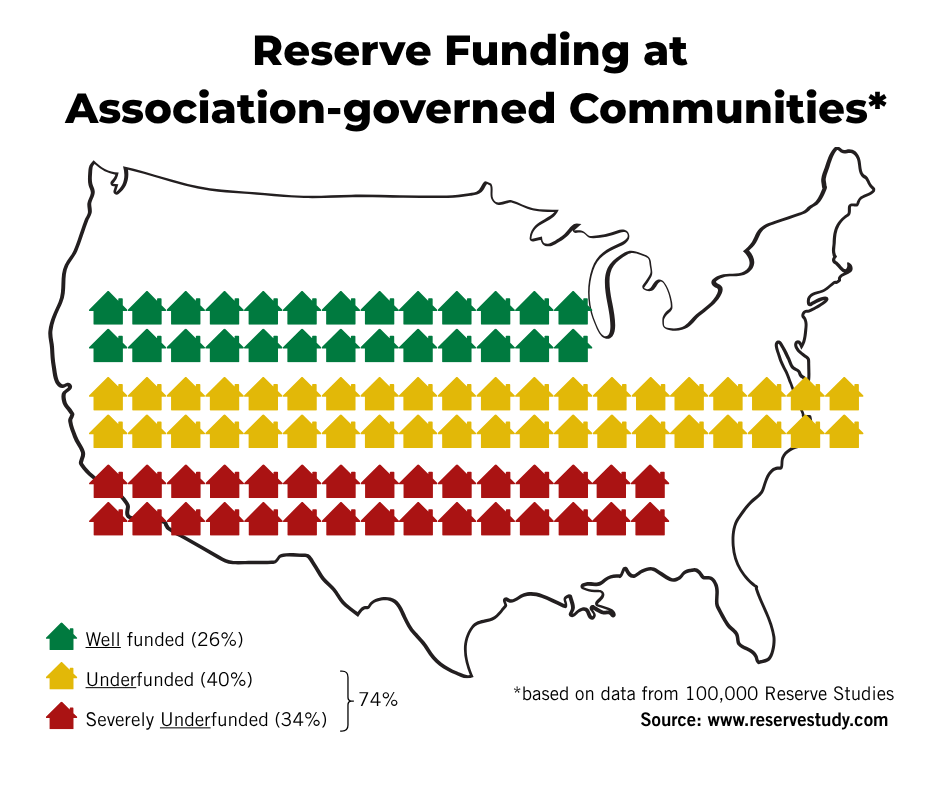
Keep clear records of all reserve transactions, contributions, and withdrawals. Regular audits help identify discrepancies and ensure compliance with your strategic plan. Transparency builds trust with stakeholders and provides a clear historical record for future planning. Use official or primary sources for valuation data to maintain accuracy [src-serp-4].
| Purpose | Asset Type | Risk Level |
|---|---|---|
| Emergency repairs | Cash/Stablecoins | Low |
| Long-term appreciation | Blue-chip crypto | Medium |
| High-yield growth | Altcoins/Staking | High |
Frequently asked: what to check next
Reserve funds are not general operating accounts; they are designated for large-scale maintenance and emergency repairs. Homeowners' associations use these funds to maintain financial stability, ensuring that unexpected costs do not result in special assessments that create hardships for homeowners. Regular, disciplined deposits into these accounts are essential to build value for both routine upgrades and unforeseen events.
Calculating reserve requirements involves assessing the remaining useful life and replacement cost of common area components. While methods vary, the goal is to align contributions with the inevitable need to reinvest in facility assets. Lenders often enforce minimum reserve requirements based on transaction type, occupancy status, and amortization, making accurate calculation a compliance necessity as much as a financial one.
Reserves generally fall into two categories: capital reserves and revenue reserves. Capital reserves are set aside for major asset replacements, such as roofs or paving, while revenue reserves protect against operational cash flow shortfalls. Understanding this distinction helps investors and managers allocate capital effectively to mitigate risk and preserve long-term property value.
No comments yet. Be the first to share your thoughts!