What the Based Reserve actually is
The term "Based Reserve" sits at the intersection of two very different worlds: traditional property management and decentralized finance. It is easy to confuse the two, but the distinction matters. In the context of infrastructure and market analysis, we are looking at the protocol layer, not the home owners association ledger.
The Based Reserve protocol is a decentralized infrastructure mechanism designed to manage liquidity and risk. Unlike a standard stablecoin that relies on a single peg or a centralized entity, Based Reserve operates as a modular system. It allows for the creation of reserve assets that can be used across different chains and applications. Think of it less like a bank vault and more like a distributed utility grid. The reserve isn't stored in one place; it is verified and secured by the network itself.
This distinction is critical for investors and developers. The "Based" aspect refers to the underlying architecture—often built on specific L2s or modular stacks—that prioritizes composability and transparency. The "Reserve" component is the asset backing that ensures stability. Together, they form a system where the reserve is not just a balance sheet item, but an active, programmable part of the ecosystem.
To understand the market dynamics, you have to look at the token that powers this infrastructure. The value of the protocol is often tied to the governance and utility tokens that secure it. Below is the current market performance of the primary token associated with this ecosystem, showing how it trades in relation to broader market trends.

Core infrastructure components
The Based Reserve functions as a decentralized treasury, but it relies on a specific stack of smart contracts and off-chain data feeds to maintain stability. Understanding this architecture is essential for evaluating the system's resilience against market volatility and smart contract risk.
Smart Contracts
At the foundation of the Based Reserve are the core smart contracts that manage asset custody and issuance. These contracts are typically deployed on high-throughput blockchains like Ethereum or Solana to minimize transaction costs. The code is usually open-source, allowing for community audits, but users must still trust the logic embedded within the protocol. Key functions include minting new reserve tokens when collateral is deposited and burning tokens when reserves are withdrawn. This mechanism ensures that the supply of the reserve token is always backed by the underlying assets in the treasury.
Oracles
Oracles serve as the bridge between the blockchain and real-world financial data. Since the Based Reserve relies on external price feeds to determine the value of its collateral and the stability of its peg, it cannot function in isolation. Trusted oracle networks, such as Chainlink, provide real-time price data for cryptocurrencies and traditional assets. These feeds are aggregated from multiple sources to prevent manipulation. If an oracle fails or provides incorrect data, the reserve's ability to rebalance its collateral or enforce liquidation mechanisms could be compromised, making oracle reliability a critical component of the infrastructure.
Treasury Management
Treasury management involves the strategic allocation of the reserve's assets to maximize yield while preserving capital. This process often involves diversifying holdings across different asset classes, such as stablecoins, government bonds, or other crypto assets. Automated governance protocols may dictate how much of the treasury is held in liquid assets versus long-term investments. Regular rebalancing is necessary to maintain the reserve's solvency and ensure it can meet redemption requests from users. Effective treasury management also includes risk mitigation strategies, such as setting limits on exposure to any single asset or counterparty.

Market research tools and data
Analyzing the Based Reserve requires a mix of macro-level market metrics and property-specific reserve study data. You need to track both the broader financial environment and the physical condition of the assets backing the reserve. This section covers the essential tools and data points that provide a clear picture of market health and asset stability.
Price and Market Widgets
Real-time price data is the foundation of any market analysis. For the Based Reserve, tracking the primary asset’s price movement helps gauge investor sentiment and liquidity. Use provider-backed widgets to ensure your data is live and accurate, avoiding stale static prices that can mislead your assessment.
Reserve Study Components
A reserve study is a financial and physical assessment of a property’s major components. It helps anticipate repair and replacement expenses before they become emergencies. Key tools include component inventories, useful life estimates, and funding plans. These studies are critical for maintaining financial stability and avoiding special assessments on residents or investors.
Funding Metrics and Targets
Understanding how a reserve is funded is just as important as the study itself. The 70% rule is a common benchmark, suggesting reserves should be funded at 70% or more of the recommended target. This level helps maintain financial capacity to cover future repairs without relying heavily on emergency funding. Monitoring this metric ensures the reserve remains robust against unexpected costs.
Strategic use cases for 2026
The Based Reserve infrastructure is designed to handle complex financial operations where transparency and security are non-negotiable. As we move through 2026, the primary value of these reserves lies in their ability to act as a neutral, auditable ledger for digital assets. This is particularly relevant for organizations that need to manage large pools of capital without exposing themselves to single-point failures or opaque accounting practices.
DAO Treasury Management
Decentralized Autonomous Organizations (DAOs) are the natural home for Based Reserve infrastructure. Unlike traditional corporate treasuries, DAOs require every transaction to be visible to token holders to maintain trust. The Based Reserve provides a structured way to track contributions, expenditures, and asset allocations in real time. This eliminates the need for manual reconciliation and reduces the risk of internal fraud. By using a standardized reserve protocol, DAOs can ensure that their treasury remains solvent and aligned with community goals, even as market conditions shift.
Institutional Hedging and Compliance
For institutional players, the Based Reserve offers a bridge between traditional finance and digital assets. Institutions often struggle with the regulatory uncertainty surrounding crypto holdings. A Based Reserve allows for the segregation of assets, making it easier to demonstrate compliance with audit requirements and risk management policies. This structure is ideal for hedging strategies, where specific assets must be locked away to cover liabilities or protect against market volatility. The immutability of the reserve record provides a clear trail for regulators and auditors, reducing the friction of entering the digital asset space.
Multi-Signature Security for High-Value Assets
High-value asset management requires more than just cold storage; it needs a system that enforces governance rules. Based Reserve infrastructure supports multi-signature workflows, ensuring that no single individual can move funds without collective approval. This is critical for family offices, foundations, and non-profits that manage endowments or charitable funds. The protocol ensures that the reserve is used only for its intended purpose, providing a layer of protection against mismanagement or unauthorized access.
Note: The effectiveness of any reserve strategy depends on the underlying asset quality and the clarity of the governance rules. Always verify the technical specifications of the Based Reserve implementation you choose to ensure it meets your specific security and compliance needs.
Hardware Security Essentials
Managing digital reserves requires robust physical security measures. The right hardware can prevent unauthorized access and protect your private keys from digital threats. Below are essential tools for securing your Based Reserve infrastructure.


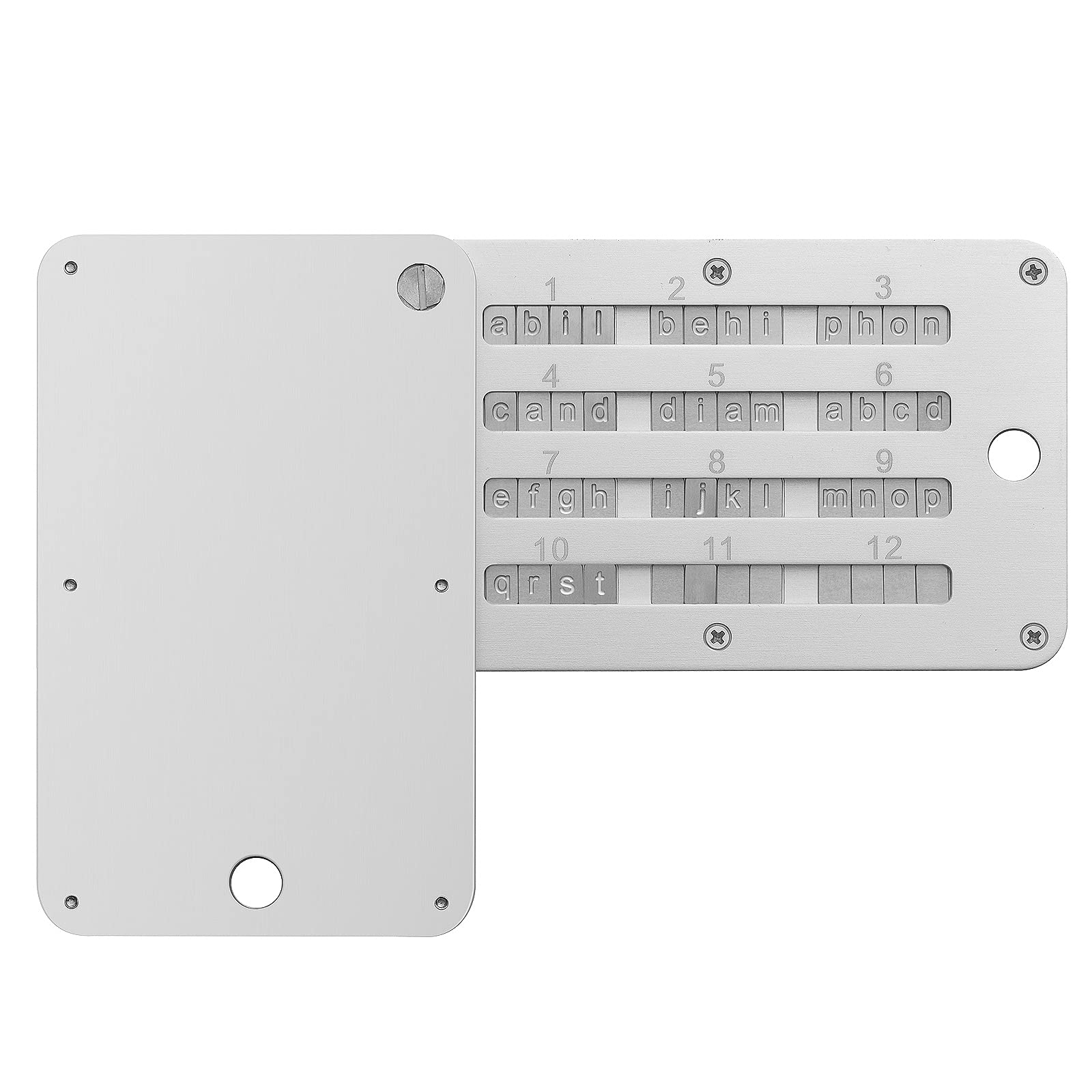
As an Amazon Associate, we may earn from qualifying purchases.
Essential resources and next steps
Before committing capital to the Based Reserve ecosystem, you need a clear framework for due diligence. This guide is designed to help you understand the technical specifics and market realities without getting lost in speculation.
1. Verify On-Chain Infrastructure
Start by reviewing the official documentation for the Based Reserve protocol. Understanding the smart contract architecture and the underlying reserve assets is non-negotiable. Look for audited code and transparent reporting on asset backing. Official sources provide the most reliable data on how the reserve is managed and how it interacts with the broader market.
2. Analyze Market Data
Use provider-backed tools to track the performance of Based Reserve assets. Real-time charts and price widgets help you understand volatility and liquidity trends. Don't rely on static screenshots; use live data to see how the asset responds to market shifts. This objective view helps separate signal from noise.
3. Conduct a Technical Checklist
Use the following checklist to evaluate your position. Each step ensures you are aware of the risks and opportunities specific to Based Reserve.
Read the whitepaper and technical specs. Understand the tokenomics, governance structure, and reserve backing mechanisms.
Check for recent security audits from reputable firms. Look for any disclosed vulnerabilities or pending fixes.
Track the reserve's asset composition and liquidity ratios. Ensure the reserve maintains sufficient backing for its liabilities.

Evaluate trading volume and order book depth. Low liquidity can lead to significant slippage and price manipulation.

Look at past governance proposals and voter turnout. Active governance indicates a healthy, engaged community.
4. Stay Updated
The Based Reserve landscape evolves quickly. Follow official channels for announcements on upgrades, partnerships, or regulatory changes. Joining community discussions can also provide early insights into potential risks or opportunities.
Frequently asked questions about Based Reserve
Understanding the mechanics of Based Reserve requires distinguishing it from traditional HOA reserve studies or accounting practices. The following questions address how the protocol maintains stability, handles governance, and manages its infrastructure in the 2026 market landscape.
For a visual representation of recent market performance, refer to the technical chart below. This data reflects the real-time trading activity of the underlying asset, helping you gauge current sentiment and volatility trends.
No comments yet. Be the first to share your thoughts!