What is a reserve study?
A reserve study is a long-term financial and physical roadmap for an HOA’s major components. It identifies what will break, when it will break, and the cost to fix or replace it. Think of it as a maintenance calendar paired with a savings plan, ensuring your association avoids surprise special assessments when critical infrastructure fails.
This analysis is distinct from your annual operating budget. The operating budget covers day-to-day expenses like landscaping, insurance, and routine cleaning. The reserve study focuses on capital expenditures—big-ticket items with a useful life of several years. While the operating budget keeps the lights on, the reserve study keeps the building standing.
The process follows a strict sequence: physical inventory, cost calculation, and funding strategy. First, you conduct a physical inventory of all common area components. Next, you estimate the remaining useful life and replacement cost for each item. Finally, you develop a funding strategy that spreads these costs over time through regular dues.
For HOAs managing high-stakes infrastructure, relying on guesswork is risky. Official guidelines from the Community Associations Institute (CAI) and the Kresge Foundation emphasize that a well-maintained reserve fund is the hallmark of a financially healthy community. By following the physical inventory -> cost calculation -> funding strategy sequence, you build a defensible plan that protects your property values and your members’ wallets.
Conduct the physical inventory
A reserve study is only as good as the data behind it. Before you can calculate costs or set funding goals, you need a complete, accurate list of every common area component the HOA is responsible for. This first phase is the physical inventory, and it requires treating your community like a balance sheet.
The CAI emphasizes that this list must be exhaustive. You aren't just looking at the obvious items like the roof or the swimming pool; you are cataloging everything from landscaping irrigation systems to lighting fixtures and playground equipment. If it’s common property, it goes on the list.
1. Identify all common area components
Start by walking the property with your board members, property manager, or a certified reserve specialist. Create a master spreadsheet that lists every distinct component. Don’t group items vaguely; specificity prevents costly surprises later. For example, instead of writing "roads," break it down into "asphalt paving," "striping," and "curbs." This granularity allows for more accurate cost projections when the time comes to replace or repair.
2. Assess current condition
Once you have your list, you need to determine the current state of each item. Use a standardized condition scale, typically ranging from 1 (new) to 5 (failed). A component in "good" condition might still have 10 years of life left, while one in "fair" condition could need immediate attention. Be honest in your assessments. Overestimating the life of a component is a common mistake that leads to funding shortfalls down the road.
3. Estimate remaining useful life (RUL)
The most critical number in your inventory is the Remaining Useful Life (RUL). This is the estimated number of years until the component will need to be replaced or significantly repaired. You can find baseline RUL data in industry references like the Kresge Foundation’s Reserve Study Standards, which provides average lifespans for common HOA components. Adjust these averages based on your specific climate, maintenance history, and quality of original installation.
4. Document findings with photos
Paper notes aren’t enough. Take clear, date-stamped photos of each component during your inspection. This visual record serves two purposes: it provides evidence for your condition assessments and helps justify budget requests to homeowners later. If a roof looks like it’s been patched multiple times, a photo shows the wear and tear better than a spreadsheet cell ever could.
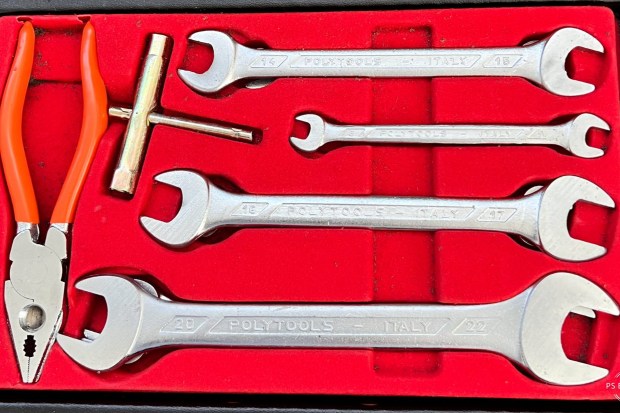
Walk the property and list every common area item. Break down broad categories like "roads" into specific elements such as paving, striping, and curbs to ensure no component is overlooked.

Assign a condition score (1-5) to each item. Be objective; a "fair" rating might mean a component is still functional but nearing the end of its useful life, requiring budget planning sooner than expected.
Use industry standards to estimate how many years each component has left. Adjust these baselines based on your community’s specific maintenance history and environmental factors.
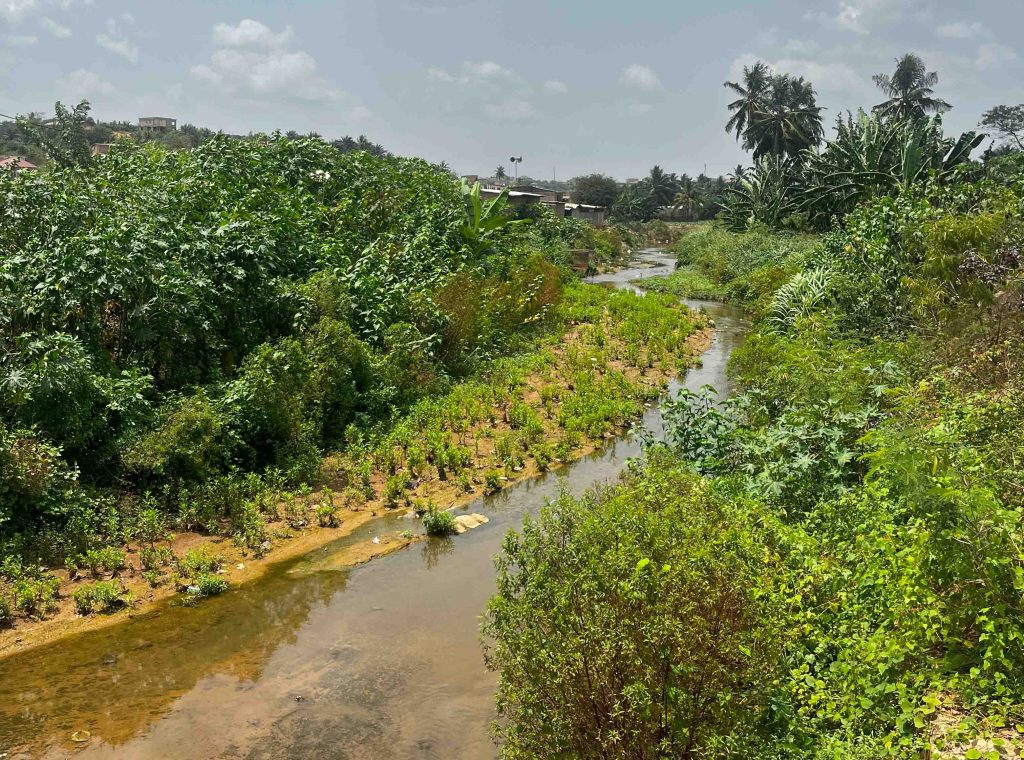
Take clear, dated photos of each component. This visual evidence supports your condition assessments and helps justify future budget increases to homeowners.
Once your inventory is complete and documented, you’ll have the foundation needed to move on to cost estimation and funding strategy. This data-driven approach protects your community’s finances and preserves property values.

As an Amazon Associate, we may earn from qualifying purchases.
Calculate replacement costs
Estimating the price tag of future repairs requires more than guessing. You need to adjust for inflation and local market rates to ensure financial accuracy. This step bridges the gap between knowing what needs replacing and knowing how much cash to set aside.
Start by determining the current cost to replace or repair each component identified in your inventory. If a roof costs $20,000 to replace today, that is your baseline. However, construction costs change. Use a cost index to project these expenses forward to the estimated useful life of the asset. The Kresge Foundation notes that building reserves is about providing for the inevitable need to reinvest in facility assets, which means accounting for the rising cost of labor and materials over time.
Don't rely on national averages alone. Labor rates in Austin, Texas, differ significantly from those in Boston, Massachusetts. Contact local contractors for current bids on major items like paving or HVAC systems. For smaller items, use published cost guides that break down expenses by region. This local specificity prevents underfunding that leads to special assessments or overfunding that frustrates homeowners.

A common mistake is setting a cost once and forgetting it. Inflation erodes purchasing power. If you don't adjust your projections, your reserve fund will fall short when the roof actually needs replacing.
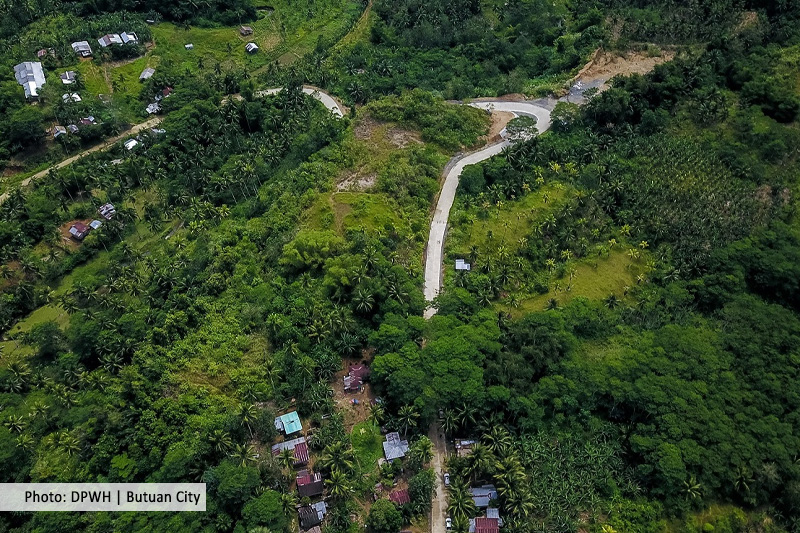
The goal is precision. A well-calculated reserve study gives your board confidence and your homeowners peace of mind. It transforms vague worries about future repairs into a clear, funded plan.
Choose a funding strategy
Your reserve study provides the data, but the funding strategy determines how you pay for it. The model you select dictates monthly dues, the stability of your reserve fund, and the likelihood of special assessments. Most associations choose from three primary approaches: full reserve, partial reserve, and pay-as-you-go.
Compare funding models
The table below breaks down how each strategy impacts your association’s finances over time. Understanding these differences helps you avoid unexpected costs and maintain long-term stability.
| Strategy | Monthly Dues | Risk Level | Long-Term Stability |
|---|---|---|---|
| Full Reserve | Higher initial dues | Low | High |
| Partial Reserve | Moderate dues | Medium | Moderate |
| Pay-As-You-Go | Lower initial dues | High | Low |
Full reserve method
This is the gold standard for long-term health. The full reserve method calculates the exact amount needed each year to cover future repairs and replacements. It spreads the cost over the useful life of each component.
While monthly dues start higher, this approach minimizes the risk of special assessments. It ensures that when a roof or pavement needs replacement, the cash is already there. This method aligns with best practices from the CAI and provides the most predictable financial environment for homeowners.
Partial reserve method
A partial reserve strategy falls between the extremes. You might fund only major components or contribute a fixed percentage of the required amount. This lowers the monthly burden on homeowners but leaves a funding gap.
Over time, this gap widens. If the reserve fund does not grow as fast as the components age, the association will eventually face a shortfall. This often results in higher dues later or unexpected special assessments to cover the deficit.
Pay-as-you-go method
Also known as cash flow funding, this approach only uses reserve funds for routine maintenance and repairs as they happen. It does not save for major replacements.
This method keeps monthly dues low in the short term but is financially dangerous. When a major component fails, the association lacks the savings to cover it. The result is typically a large special assessment or a loan, which can strain homeowners and devalue the community.
Recommended tools
Selecting the right strategy requires accurate data. Use these tools to help manage your reserve study and funding calculations.

As an Amazon Associate, we may earn from qualifying purchases.
Common Reserve Study Mistakes
A reserve study is only as good as the data behind it. When HOA boards skip steps or rely on outdated assumptions, they risk significant financial shortfalls. The most frequent errors fall into three categories: underfunding, ignoring deferred maintenance, and using stale cost estimates.
Underfunding the Fund
Many boards set contribution rates based on current cash balances rather than future capital needs. This reactive approach leaves the association vulnerable when major repairs arrive. The CAI emphasizes that funding should align with the component’s useful life and replacement cost, not just what fits in the current budget. If your reserve balance is consistently below the funded percentage target, you are likely underfunding.
Ignoring Deferred Maintenance
Deferred maintenance is the silent killer of reserve funds. Small repairs, like resealing a parking lot or replacing a few roof shingles, are often postponed to keep monthly dues low. However, these minor issues accelerate the deterioration of larger systems. A professional reserve study provider tracks these maintenance schedules to prevent premature replacement. If you haven’t updated your maintenance log in the last year, your reserve study is already outdated.
Using Outdated Cost Estimates
Construction costs fluctuate with inflation, labor shortages, and material availability. Using cost data from three or more years ago will result in significant underestimation. The CAI recommends updating cost estimates annually or engaging a credentialed provider who uses current market data. For example, the CAI requires a three-year apprenticeship for its credentialed reserve specialists, ensuring they have the training to interpret these market shifts accurately.
-
Confirm all component useful lives and remaining useful lives are current
-
Verify replacement costs are within the last 12 months
-
Ensure deferred maintenance items are included in the funding plan
-
Review board minutes for any unrecorded special assessments
No comments yet. Be the first to share your thoughts!