What reserve analysis actually measures
Reserve analysis is a method to evaluate the amount of risk on a project and the amount of schedule and budget reserve to determine whether the reserve is sufficient for the remaining risk. It is not a guess. It is a calculation that matches your exposure to your cushion.
The GFOA fund balance policy sets the floor. They recommend that general-purpose governments maintain unrestricted budgetary fund balance in their general fund of no less than two months of regular general fund operating revenues or expenditures. This is the baseline. Anything above that level depends on your specific risk profile.
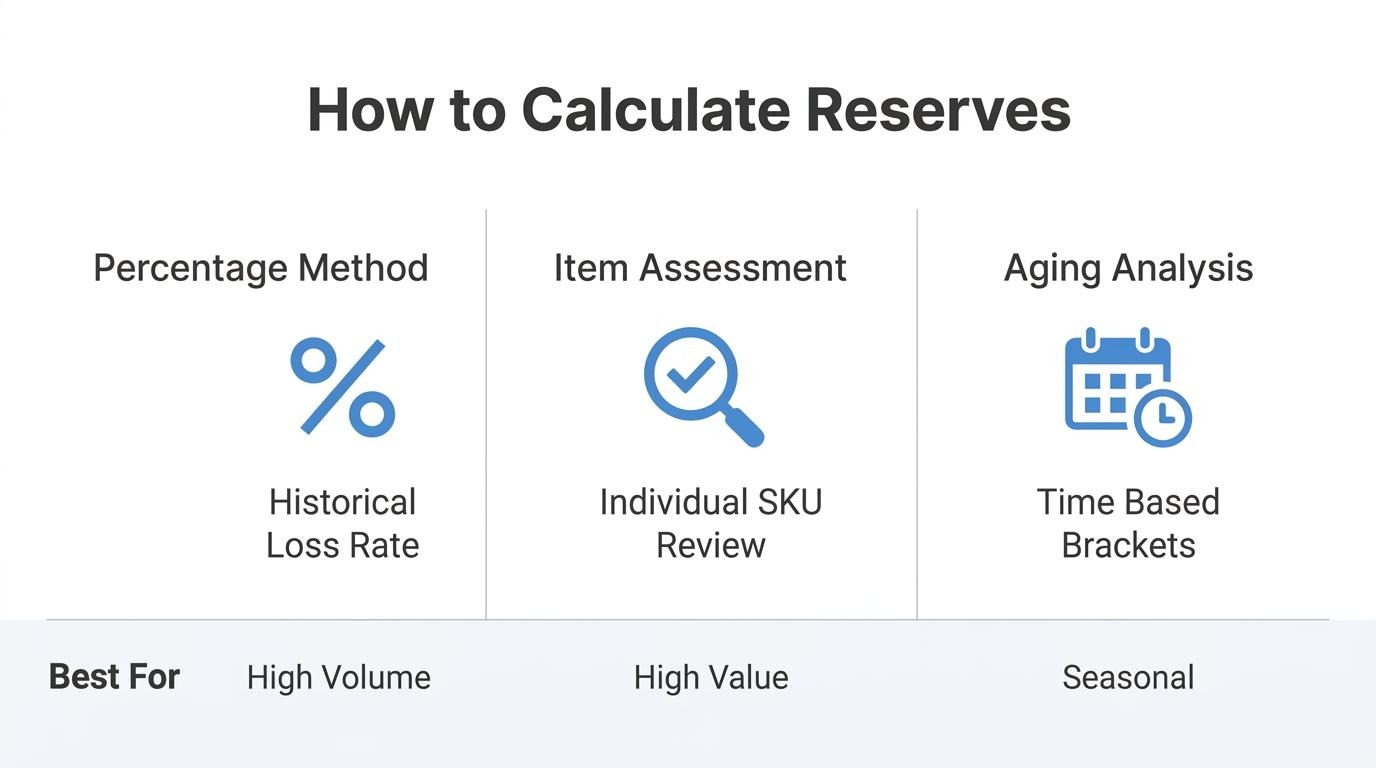
A risk reserve analysis goes further. It estimates how much extra time and funds you require for your project. The process begins by examining all probable risks that may impact your project. You then assign a probability and impact to each risk to calculate the total reserve needed.
The reserve methodology brings these elements together. It defines the procedures, judgments, and estimates for determining economic reserves. Without a clear methodology, your reserve numbers are just opinions. With it, they are actionable data.
Tradeoffs in reserve analysis
A reserve is essentially self-insurance for a government or organization. Setting the right amount requires balancing liquidity against opportunity cost. Too little leaves you exposed to revenue shocks; too much ties up capital that could fund services or reduce debt. The goal is to find the threshold where the cost of holding reserves equals the expected cost of a shortfall.
Revenue volatility vs. stability
Cities with diversified tax bases face less risk than those reliant on a single sector. If your revenue stream is stable, you can hold fewer reserves. Volatile revenues demand a larger buffer. Evaluate your historical revenue swings to determine the baseline risk.
Expenditure predictability
Operating costs like payroll and utilities are relatively fixed. Capital projects and one-time expenses are not. If your expenditure profile includes large, unpredictable capital needs, your reserve requirement increases. A predictable budget allows for leaner reserves.
Debt service obligations
Reserves protect your ability to meet debt payments during downturns. Lenders often require minimum reserve levels. Higher debt service ratios mean you need a larger cushion to avoid default. Check your covenants and market expectations.
Economic diversification
Jurisdictions with multiple revenue sources spread risk. A single-source economy is fragile. Diversification reduces the likelihood of a simultaneous revenue drop across all streams. Assess your revenue mix to gauge inherent resilience.
Comparison of reserve factors
The table below outlines how different factors influence reserve levels.
| Factor | Risk Level | Impact on Reserves |
|---|---|---|
| Revenue Volatility | High | Increases reserve needs |
| Expenditure Predictability | Low | Decreases reserve needs |
| Debt Obligations | Medium | Moderate increase |
| Economic Diversification | Low | Decreases reserve needs |
Implementation timeline
Building reserves takes time. You must balance annual contributions with current service needs. A phased approach allows you to reach target levels without drastic cuts. Monitor progress annually and adjust as conditions change.
Build a practical reserve analysis framework
Reserve analysis is not a static report; it is a decision framework that turns data into action. Without a structured approach, organizations either hoard cash unnecessarily or leave themselves exposed to unexpected liabilities. The goal is to align reserve levels with actual risk profiles rather than arbitrary percentages.
Start by identifying your core risk factors. As the Government Finance Officers Association (GFOA) notes, reserves act as a form of self-insurance. You must determine what specific threats—economic downturns, regulatory changes, or operational failures—could impact your fund balance. This identification phase sets the baseline for all subsequent calculations.
Next, establish your minimum thresholds. For general-purpose governments, GFOA recommends maintaining unrestricted budgetary fund balance in the general fund at no less than two months of regular operating revenues or expenditures. This "two-month rule" is a common starting point, but high-stakes environments may require higher buffers. Use this as a floor, not a ceiling.
Then, apply a risk-based adjustment. A static percentage fails to capture volatility. Instead, weight your reserve requirements by the probability and impact of identified risks. This method ensures that reserves are sufficient for the remaining risk exposure, allowing for dynamic adjustments as market conditions shift.
Finally, document and review. A reserve analysis framework is only as good as its last review. Schedule quarterly assessments to compare actual performance against projected risks. This continuous loop prevents "set it and forget it" mentalities that lead to either insolvency or idle capital.


As an Amazon Associate, we may earn from qualifying purchases.
Watchouts in Reserve Analysis
Reserve analysis is a method to evaluate project risk and determine if budget or schedule buffers are sufficient. While the concept is straightforward—acting as self-insurance for a government or organization—the execution often hides misleading claims and weak options. Municipalities and project managers alike must navigate a landscape where best practices are sometimes confused with mere compliance.
One common pitfall is relying solely on static percentages. The Government Finance Officers Association (GFOA) recommends that general-purpose governments maintain unrestricted fund balances of at least two months of operating revenues or expenditures. However, treating this as a universal rule ignores specific risk factors. A one-size-fits-all approach fails to account for revenue volatility or unique operational hazards, leaving reserves either dangerously low or unnecessarily bloated.
Another weak option is confusing reserve methodology with risk-based analysis. Reserve methodology typically defines the judgments and estimates for economic reserves, often found in technical annexes. In contrast, a risk-based analysis starts by identifying general risk factors, such as those detailed in Colorado Springs' case study. Mixing these frameworks can lead to underfunded reserves because the analysis does not reflect the actual probability of adverse events.
Finally, beware of tools that ignore external market pressures. Without integrating live market data or technical charts, reserve projections may become stale quickly. A robust strategy requires regular stress-testing against current economic indicators. If your analysis does not account for shifting interest rates or inflation, it is likely missing critical vulnerabilities that could impact long-term sustainability.
Based reserve analysis: what to check next
Before setting a policy, clarify what the analysis actually measures and who sets the standards. These answers address the most common practical concerns regarding reserve adequacy and compliance.
No comments yet. Be the first to share your thoughts!