Rethinking reserves as insurance
For decades, local governments treated cash reserves like a static savings account—aiming for a round number like three months of operating expenses and calling it a day. This approach ignores the reality that risk is not static. A city facing aging water infrastructure has a fundamentally different risk profile than one riding a tech-driven revenue boom, yet both might have held identical reserve targets under old rules.
Based reserve analysis changes this mindset by treating reserves as active insurance rather than passive savings. The Government Finance Officers Association (GFOA) describes reserves as a form of self-insurance, meaning the goal is to match the fund balance to the specific, quantifiable risks the municipality faces. This shift moves finance leaders away from arbitrary benchmarks and toward data-driven decisions that reflect actual exposure.
This methodology requires a rigorous assessment of potential threats, from economic downturns and natural disasters to regulatory changes. By quantifying these risks, governments can determine the precise capital needed to weather storms without cutting essential services or defaulting on obligations. It transforms the general fund balance from a vague safety net into a strategic asset that protects the community’s fiscal health during volatility.
Key metrics in reserve analysis
A robust Based Reserve analysis moves beyond simple savings accounts. It requires measuring specific quantitative and qualitative metrics to gauge fiscal health against real-world volatility. Traditional static targets often fail to capture the nuance of modern municipal finance, which is why shifting toward dynamic risk-based assessments is essential for long-term stability.
Fund balance ratios
The most immediate indicator of liquidity is the fund balance ratio. The GFOA recommends that general-purpose governments maintain unrestricted budgetary fund balance equal to at least two months of regular operating revenues or expenditures. This minimum threshold acts as a baseline cushion against minor revenue shocks. However, for a comprehensive Based Reserve analysis, this ratio should be stress-tested against specific jurisdictional risks, such as reliance on volatile property tax cycles or single-industry employment bases.
Stress test outcomes
Static ratios do not account for tail risks. Stress testing simulates extreme scenarios—such as a 20% drop in tax revenue or a sudden spike in pension obligations—to see if reserves hold. This qualitative metric reveals how quickly a government can draw down reserves without violating statutory limits or halting essential services. By modeling these outcomes, planners can determine if the current reserve level is sufficient or if additional funding is required to bridge the gap during economic downturns.
Comparison of reserve approaches
| Metric Type | Traditional Static Target | Dynamic Risk-Based Approach |
|---|---|---|
| Basis | Fixed percentage of budget (e.g., 10%) | Based on specific revenue volatility and risk factors |
| Flexibility | Rigid; often ignores changing economic conditions | Adjustable; scales with identified risk exposure |
| Primary Focus | Accumulating a specific dollar amount | Ensuring liquidity during stress scenarios |
| Outcome | May over- or under-fund depending on context | Aligns reserve levels with actual fiscal vulnerability |
This shift from static to dynamic metrics ensures that reserves are not just a number on a spreadsheet, but a functional tool for navigating fiscal uncertainty.
Infrastructure tools for resilience
Real-time reserve monitoring changes how we see financial safety. Instead of waiting for quarterly reports to spot trouble, based reserve analysis uses continuous data streams to track liquidity and solvency. This shift from hindsight to foresight is the core of modern infrastructure resilience.
Automated risk response systems act as the nervous system for these reserves. They detect deviations in revenue streams or expenditure spikes and trigger predefined protocols. This isn't about replacing human judgment; it's about giving decision-makers accurate, timely data to act before a crisis deepens.
The GFOA recommends maintaining unrestricted fund balance of at least two months of operating expenditures. Infrastructure tools make hitting this benchmark easier by providing granular visibility into cash flow. When you can see every transaction in real time, you can adjust contributions to reserve accounts with precision, ensuring long-term stability.
This technical view of a reserve-backed asset illustrates the volatility that automated systems must manage. The chart shows how quickly market conditions can shift, highlighting why static balance sheets are no longer sufficient for robust risk management.


As an Amazon Associate, we may earn from qualifying purchases.
Stress testing reserve scenarios
A static reserve target is a snapshot, not a shield. To ensure your Based Reserve analysis holds up when the economy turns, you need to simulate how those funds perform under pressure. This process moves beyond simple budgeting to test the durability of your strategy against real-world shocks.
Official guidance from the GFOA sets the baseline, recommending that general-purpose governments maintain unrestricted fund balances covering at least two months of regular operating expenditures GFOA Fund Balance Guidelines. While this provides a floor, it does not account for the volatility of modern markets or sudden revenue collapses. That is where stress testing fills the gap.
The following steps outline how to simulate adverse conditions to verify that your reserves remain intact when they are needed most.

Start by identifying the specific revenue streams and expenditure categories that are most sensitive to economic shifts. For a robust Based Reserve analysis, you must quantify the historical variance in these streams. If your city relies heavily on sales tax, define the percentage drop that constitutes a "mild" versus a "severe" recession. This sets the mathematical boundaries for your simulation.
Apply your volatility parameters to your projected revenue. Model scenarios where tax receipts drop by 10%, 20%, or even 30% over a 12-month period. The goal is to see how quickly your reserve balance depletes when income dries up but fixed costs remain. This step reveals whether your current reserve levels are sufficient to bridge the gap without cutting essential services.

Reserves are not just about lost income; they are also about unexpected costs. Introduce variables that drive up expenses, such as a 15% increase in healthcare costs for employees or sudden infrastructure repair needs following severe weather. A complete stress test shows how your funds handle the "double squeeze" of lower revenue and higher costs simultaneously.
Run your simulations to find the minimum reserve balance required to survive the worst-case scenario without defaulting on obligations. If your current reserve falls short of this break-even point, you have identified a structural vulnerability. This metric becomes the new, evidence-based target for your Based Reserve analysis, replacing arbitrary percentage goals with data-driven security.
By rigorously testing your reserves against these adverse conditions, you transform your strategy from a passive savings account into an active risk management tool. This ensures that your Based Reserve analysis is not just a report, but a verified plan for stability.
Common mistakes in Based Reserve analysis
Even with a solid framework, Based Reserve analysis can go off track if you treat it as a static checklist. Many teams rely on historical averages that ignore the reality of revenue volatility. A budget that looks safe in a stable year can collapse when tax receipts drop or grant funding shifts.
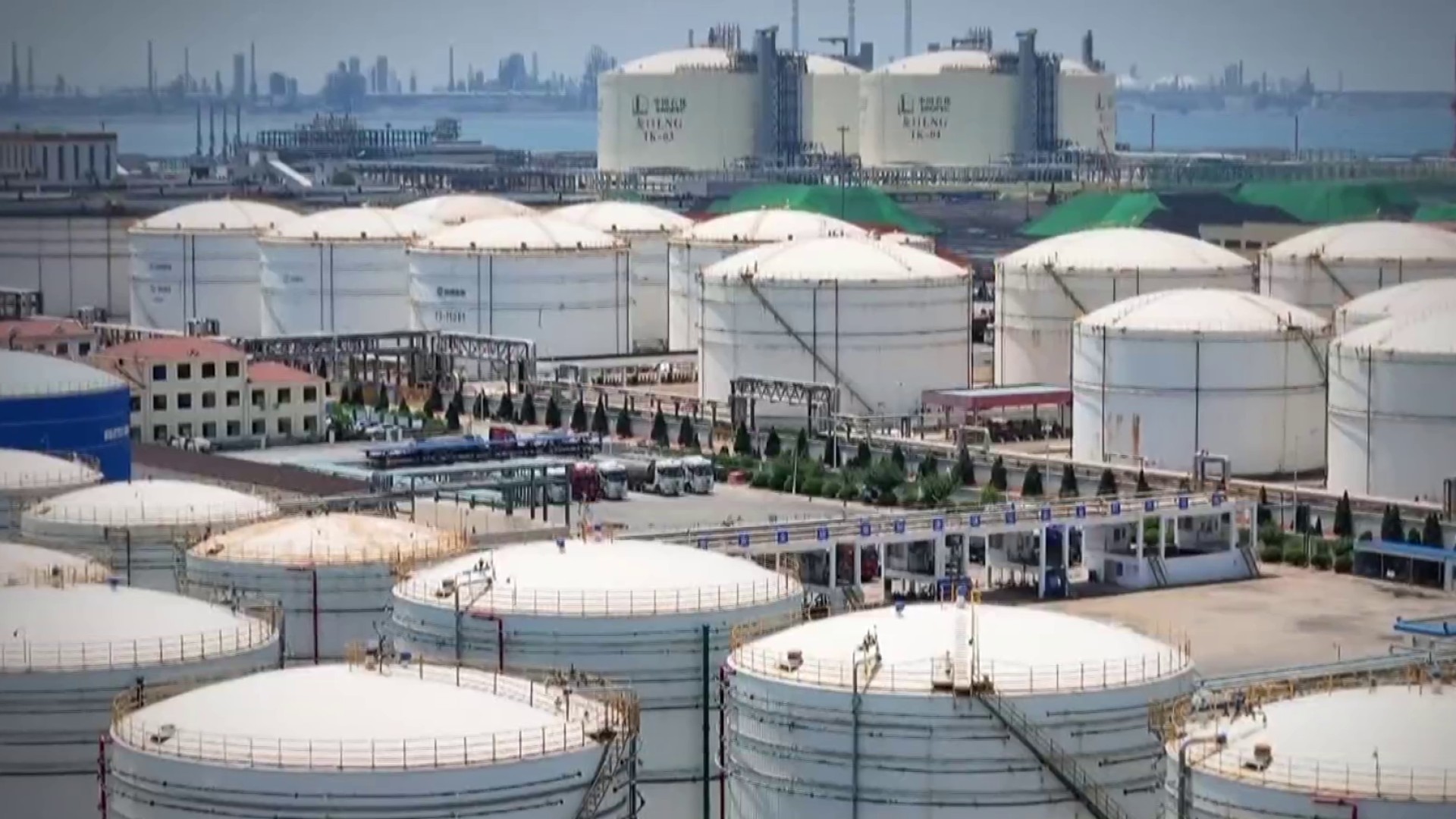
The GFOA recommends a risk-based approach to determine appropriate reserve levels rather than sticking to rigid benchmarks. When you ignore the variance in your revenue streams, you are essentially guessing. The Strategic Petroleum Reserve hitting its lowest level since 1983 shows how quickly static assumptions can fail when external pressures mount.
Another frequent error is failing to stress-test your reserves against multiple scenarios. If your analysis only accounts for a "normal" downturn, you are unprepared for a systemic shock. Effective reserve management requires looking at the full spectrum of potential risks, not just the most likely ones.
Frequently asked: what to check next
Helpful gear
Use these product recommendations as a starting point, then choose the size, material, and price point that fit how you actually use the gear.


As an Amazon Associate, we may earn from qualifying purchases.
No comments yet. Be the first to share your thoughts!