
The based reserve analysis limits to account for
Defining the Based reserve analysis constraint means moving beyond static percentages to a dynamic, risk-weighted model. Traditional reserve policies often apply a flat rule—such as holding 10% of annual expenditures—regardless of the municipality’s actual fiscal health or revenue volatility. This approach fails to account for the structural differences between a stable industrial city and one dependent on cyclical tourism or commodity prices.
The constraint forces a direct link between reserve size and identified risk factors. As noted by the Government Finance Officers Association (GFOA), a risk-based assessment begins by identifying general risk factors specific to the jurisdiction, such as revenue concentration, expenditure rigidity, and economic sensitivity GFOA. This method ensures that reserves are sized to absorb shocks proportional to the entity’s vulnerability, rather than a one-size-fits-all benchmark.
Implementing this constraint requires a stress test of the general fund. Jurisdictions like Berkeley, California, have adopted risk-based analysis frameworks that stress-test reserve levels against potential revenue shortfalls and expenditure spikes Berkeley CA. This process transforms the reserve from a passive savings account into an active risk management tool, calibrated to the specific fiscal profile of the entity.
The trade-off is complexity. A risk-based model demands ongoing data collection and periodic re-evaluation of risk factors. However, it provides a defensible, transparent rationale for reserve levels that static policies cannot match. For market researchers analyzing municipal fiscal resilience, understanding this constraint is essential to accurately assessing a jurisdiction’s true liquidity buffer and financial flexibility.
Tradeoffs in Based Reserve Analysis
A risk-based approach to reserve planning does not simply ask how much cash a government should hold. It forces a direct comparison between the cost of holding idle funds and the cost of being underfunded when a shock hits. The tradeoff is never static; it shifts as revenue volatility changes or as new infrastructure liabilities emerge.
Liquidity vs. Opportunity Cost
Holding reserves in low-yield, highly liquid accounts protects against immediate cash flow gaps but drags down the overall portfolio return. In a high-interest-rate environment, the opportunity cost of keeping millions in a general fund account can exceed the savings from avoiding a short-term borrowing event. The analysis must weigh the guaranteed safety of cash against the lost yield that could otherwise support service delivery or debt reduction.
Coverage Depth vs. Administrative Burden
Building a reserve that covers 12 months of operating expenses offers robust protection but requires years of surplus accumulation. A lighter target, such as three to six months, is easier to maintain but leaves the entity exposed to prolonged revenue declines. The tradeoff here is administrative simplicity versus strategic resilience. Deeper reserves require more rigorous forecasting and stress testing to justify the capital tied up in the account.
Flexibility vs. Policy Rigidity
Designating reserves for specific purposes, like capital improvements or debt service, limits their use during general emergencies. A flexible, undesignated reserve provides maximum utility for any crisis but may face political pressure to be spent on trending initiatives. The tradeoff lies in protecting the fund’s purpose against mission creep while retaining enough freedom to respond to unforeseen shocks.
| Factor | Benefit | Tradeoff |
|---|---|---|
| Liquidity | Immediate access to cash | Low yield, high opportunity cost |
| Coverage Depth | High shock absorption | High accumulation burden |
| Flexibility | Universal application | Risk of political misuse |
Turn research into a decision framework
Base reserve analysis is only useful when it leads to a specific budget action. The goal is to move from raw data—like current fund balances and projected revenue—to a clear plan for how much cash to set aside.
The Government Finance Officers Association (GFOA) recommends a risk-based approach. This means you don't apply a single percentage to every fund. Instead, you match the reserve size to the volatility of the revenue stream and the criticality of the services provided.
To build this framework, follow these four steps to convert your analysis into a policy decision.
Start by looking at the last five to seven years of revenue data. Calculate the standard deviation for each major income source. Sources with high variance, like development fees or investment income, require larger reserves than stable sources like property taxes. This step quantifies the "risk" part of your analysis.
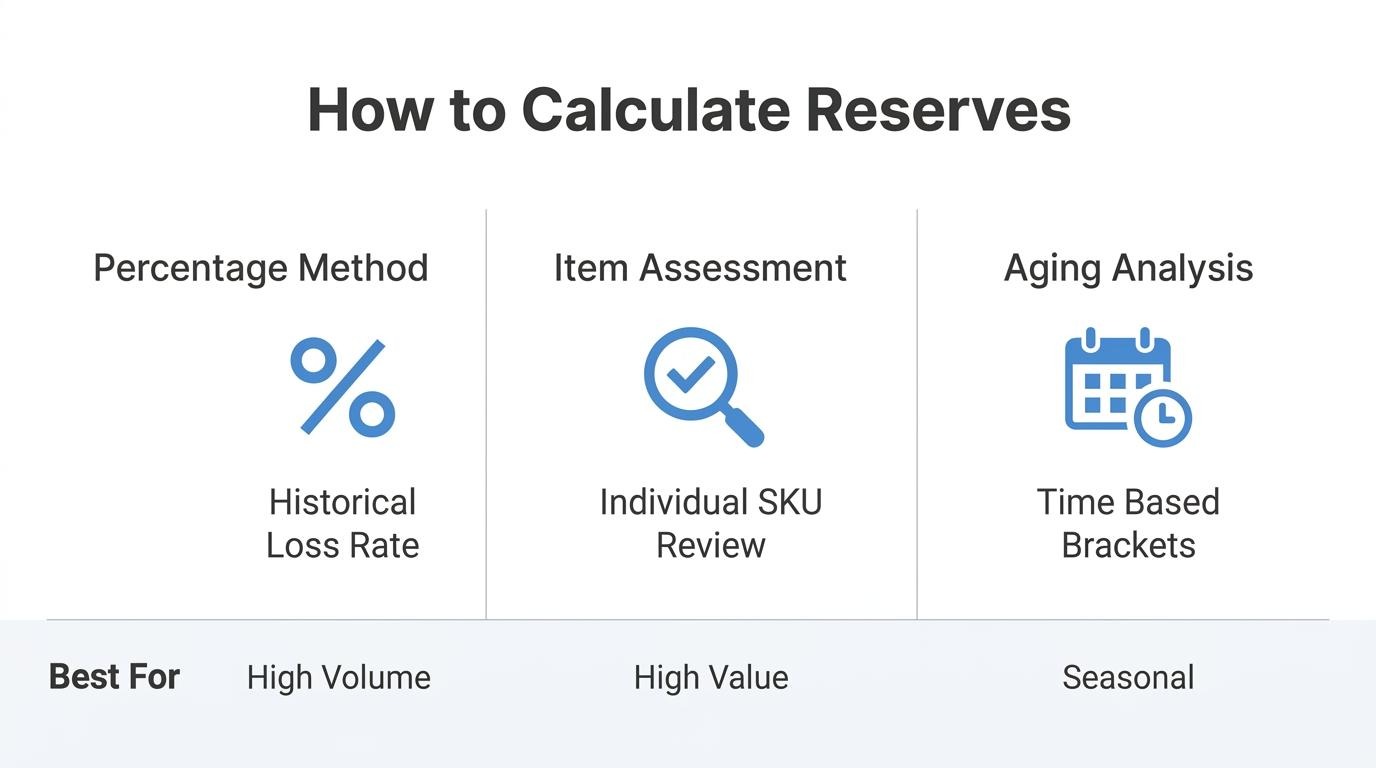
Not all services can be cut without legal or safety consequences. Rank your departments by necessity. Police, fire, and public works typically carry a higher weight than cultural or administrative services. This ranking determines how deep the reserve must go to protect essential operations during a revenue dip.

Model "what-if" scenarios. What happens if revenue drops 15% but expenses stay flat? What if a major employer leaves the jurisdiction? Use these stress tests to find the "breaking point" of your current reserve. If the stress test shows a deficit in year two, your current reserve policy is insufficient.
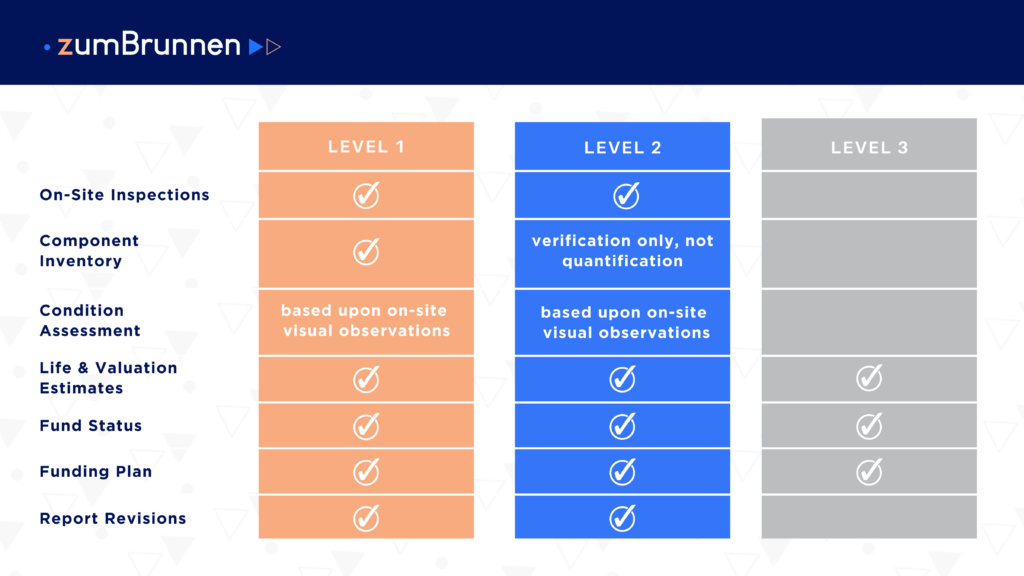
Combine the volatility score and service criticality to assign a target percentage. A high-risk, high-criticality fund might need a 15-20% reserve, while a low-risk fund might only need 5-10%. Document this logic so future budget committees can adjust the number based on new data, not just intuition.


As an Amazon Associate, we may earn from qualifying purchases.
Watchouts for Reserve Analysis
General fund reserves are often treated as simple savings accounts, but they function more like insurance deductibles. The most common mistake is setting targets based on revenue volatility alone, ignoring the underlying risk profile of expenditures. A city with stable tax bases but high fixed costs (like pensions or debt service) needs a different buffer than one with erratic grant funding. Relying on a flat percentage of expenditures—such as the ubiquitous "3-to-6 months" rule—often masks structural weaknesses.
Another misleading claim is that higher reserves always equal better credit ratings. While adequate liquidity is essential, excessive reserves can signal inefficient capital allocation, potentially lowering a municipality's investment grade. The goal is not maximization, but optimization against specific risks. For instance, a city heavily dependent on cyclical tourism revenue faces different downside scenarios than one reliant on steady property taxes. A risk-based analysis, as recommended by the Government Finance Officers Association (GFOA), requires mapping these distinct exposure vectors rather than applying a one-size-fits-all metric.
Finally, avoid static benchmarks. A reserve target set during an economic boom may be insufficient during a downturn if the stress test doesn't account for correlated revenue drops. Always pair reserve levels with a dynamic stress test that simulates simultaneous shocks to revenue and expenditures. This approach reveals whether your "safe" number is actually a fragile illusion.
Based reserve analysis: what to check next
Reserve analysis isn't just about counting dollars; it's about matching those dollars to specific risks. When governments or organizations face budget shortfalls, the right reserve strategy prevents service cuts. Below are the most common practical questions about risk-based reserve analysis.
No comments yet. Be the first to share your thoughts!