Defining the Based Reserve Model
In traditional property management, a reserve is a savings account for future repairs. Homeowners associations collect monthly fees to pay for a new roof or a cracked foundation. The goal is financial stability and avoiding special assessments when big expenses hit. It is a reactive safety net.
The Based Reserve model operates differently. It is not just a savings account; it is a structural mechanism. In the crypto context, "Based" refers to assets or protocols that derive their value and security from a tangible, often community-driven, backing. This backing serves as the reserve. Instead of waiting for a roof to leak, the reserve is actively deployed to maintain the system's integrity and value proposition.
This distinction matters. Traditional reserves are passive. Based Reserves are active infrastructure. They are designed to absorb shocks and maintain liquidity through algorithmic or community-governed mechanisms rather than static bank deposits. The focus shifts from simple accumulation to dynamic management of the underlying asset's health.
Understanding this model requires looking at how these reserves are built and maintained. They are not dictated by a board of directors but are often governed by the participants themselves. This creates a different set of incentives and risks compared to traditional HOA reserves.
The chart above shows the underlying asset often associated with these models. While the reserve itself may not be the token, the token's performance reflects the health of the reserve. A healthy reserve supports the asset; a failing one leads to volatility. This interdependence is the core of the Based Reserve model.
We are looking at a shift from static savings to dynamic governance. The reserve is not just a buffer; it is the foundation. Without it, the system lacks the credibility to sustain its value. With it, the system can operate with greater autonomy and resilience.
This is not financial advice. It is an analysis of infrastructure. The Based Reserve model represents a specific approach to financial stability in decentralized systems. It is complex, evolving, and fundamentally different from the HOA model most people are familiar with.
Core Infrastructure Components
A reserve is only as strong as the systems backing it. In the Based community, we don't rely on opaque HOA ledgers or traditional bureaucratic silos. We build infrastructure that is transparent, auditable, and resilient by design. This means moving beyond simple savings accounts to a stack of technical and organizational tools that verify every dollar in real time.
Liquidity and Asset Verification
The first layer of infrastructure is proving that the assets actually exist and are liquid. For a reserve to be useful, it must be accessible without penalty or delay. We use provider-backed widgets to visualize the health of reserve-backed assets, ensuring that liquidity depth matches community needs.
This chart shows the volume and price action of a major reserve-backed asset. High volume indicates healthy liquidity, while the RSI helps us avoid over-leveraging during market peaks. We don't just hold assets; we monitor their structural integrity continuously.
Transparency and Auditability
The second layer is organizational transparency. In traditional models, reserve funds are often buried in annual reports that few read. In a Based structure, we treat reserve data as public goods. This doesn't mean sharing sensitive private keys, but it does mean making the health of the reserve visible to all members.
We implement automated reporting standards that align with official reserve requirements, such as those outlined by Fannie Mae for structural integrity, but adapted for decentralized governance. The goal is to remove the "trust me" aspect of finance and replace it with "verify me" mechanics. When every member can see the reserve's trajectory, participation and accountability naturally increase.
The Human Element
Technical tools are useless without clear governance. A reserve policy must define exactly when funds are released and who authorizes those releases. This is where the "Based" context matters most: we build policies that are easy to understand and hard to game.
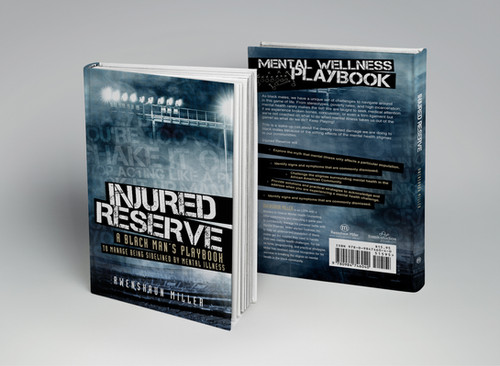
Think of the reserve like a playbook. It’s not just a list of numbers; it’s a guide for how the team responds when things go wrong. By combining real-time data visualization with clear, community-driven rules, we create a reserve that is both financially sound and socially robust.
Essential analysis tools for 2026
Based Reserve works best as a sequence, not a scramble through settings. Do the minimum first: confirm compatibility, connect the core hardware, update only when needed, and test the result before adding optional features. That order keeps the task understandable and makes failures easier to isolate. After each step, pause long enough for the interface to finish syncing. Many setup problems are timing problems disguised as configuration problems. If the same step fails twice, record the exact error, restart the smallest affected piece, and retry before moving deeper.
The simplest way to use this section is to keep the setup small, verify each change, and record the stable configuration before adding optional accessories.
Building a sustainable reserve strategy
Based Reserve works best as a clear sequence: define the constraint, compare the realistic options, test the tradeoff, and choose the path with the fewest hidden costs. That order keeps the advice usable instead of decorative. After each step, pause long enough to check whether the recommendation still fits the reader's actual situation. If it depends on perfect timing, unusual access, or a best-case budget, include a simpler fallback.
Common reserve questions answered
Understanding how to structure your reserves is the difference between a sustainable project and one that stalls when the unexpected happens. Here are the most frequent questions about reserve formulas, types, and usage in the context of building a robust financial infrastructure.
These guidelines provide a structural baseline. Always cross-check specific requirements with official sources like Fannie Mae for lending standards or your organization's bylaws for governance rules.
Helpful gear
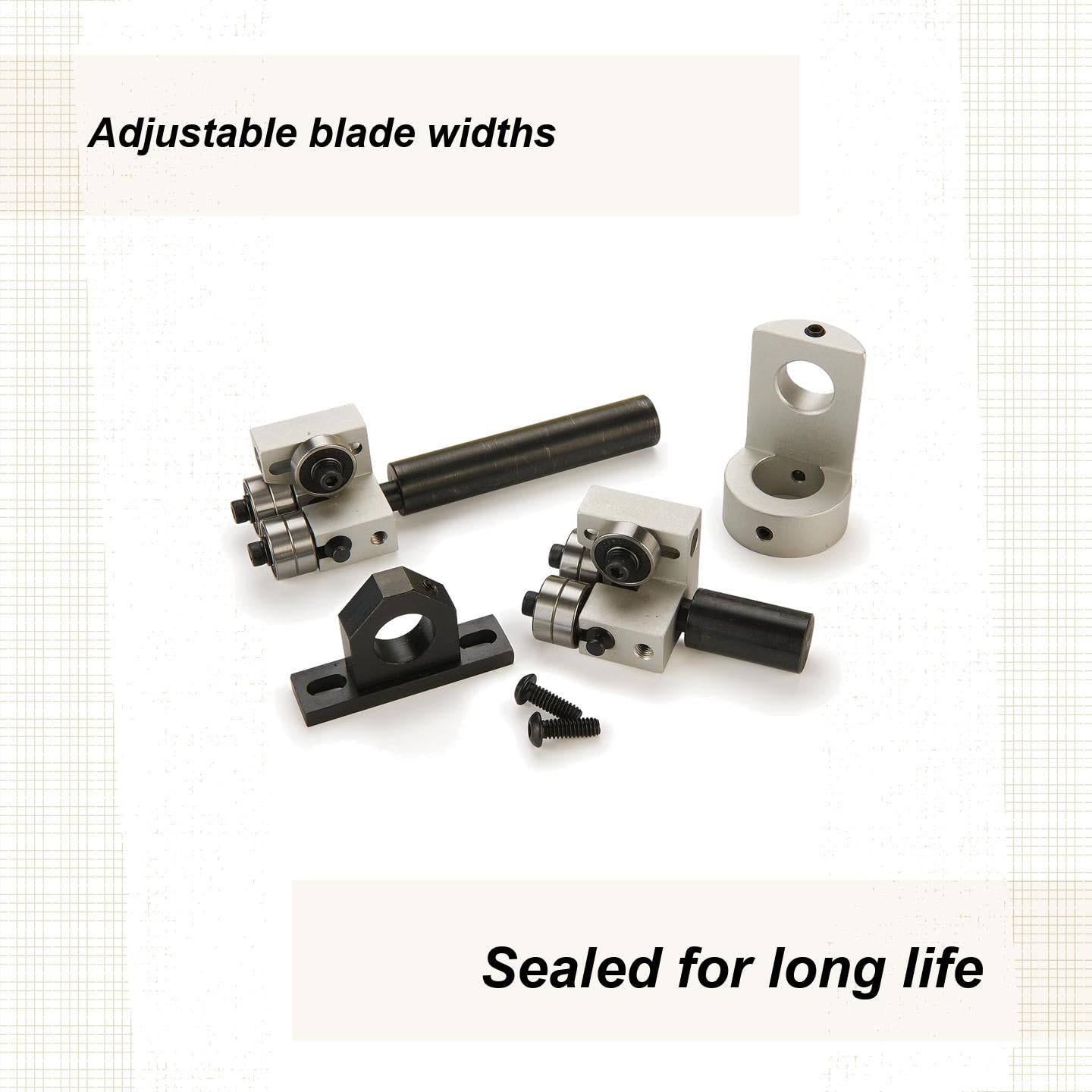
Use these product recommendations as a starting point, then choose the size, material, and price point that fit how you actually use the gear.

As an Amazon Associate, we may earn from qualifying purchases.
No comments yet. Be the first to share your thoughts!