Defining based reserve analysis
When you encounter the term "based reserve" in crypto market research, it refers to the backing of reserve assets that support a token's stability or a protocol's solvency. This is distinct from general project management reserves, which are contingency funds set aside for unexpected costs. In Web3, the focus is on whether the assets backing a system are sufficient, supportable, and aligned with expected liabilities.
This analysis serves as the financial equivalent of checking the vault's contents. It determines if the reserve balances can cover potential losses or redemption demands without collapsing the system. For high-stakes financial topics, precision matters: we are looking at actual on-chain holdings, not just promises.
Understanding this distinction is crucial for accurate market evaluation. A project might appear solvent on paper, but without a rigorous based reserve analysis, the true risk remains hidden. This section sets the stage for examining the tools and infrastructure used to perform these checks.
Core metrics for reserve evaluation
To determine if a based reserve is truly backed, you need to look beyond the total balance sheet. The health of a reserve isn't just about size; it is about how that capital behaves under stress. Three specific data points dictate whether a reserve can hold its peg during market turbulence: liquidity depth, the backing ratio, and volatility exposure.
Liquidity depth and reserve backing
Liquidity depth refers to how quickly reserve assets can be converted to cash without significant price slippage. A reserve holding 100% in illiquid real estate or long-term bonds looks healthy on paper but fails in a panic. For a based reserve to be credible, the majority of its assets must be highly liquid, such as short-term Treasury bills or major stablecoins.
The backing ratio measures the percentage of reserve assets held against outstanding tokens. While a 100% backing ratio is the ideal standard for stability, the composition matters more than the number. If the backing is in volatile assets, the effective ratio fluctuates wildly. You should look for reserves that maintain a high backing ratio with assets that have low correlation to the broader crypto market.
Volatility and risk analysis
Volatility exposure determines how much the reserve's value swings relative to the token it backs. High volatility in the underlying assets acts as a drag on stability. Risk-based analysis allows reserve strategies to better target specific vulnerabilities, ensuring that the reserve can withstand market shocks. This involves stress-testing the portfolio against historical drawdowns.
The GFOA notes that reserves function as a form of self-insurance, meaning the right amount of reserves depends on the specific risks the entity faces. In the context of based reserves, this means analyzing the tail risks of the underlying assets. A reserve that ignores volatility is essentially gambling with the peg, not securing it. Understanding these metrics helps investors separate robust infrastructure from fragile promises.

Infrastructure tools for tracking reserves
Monitoring reserve assets in real-time requires more than just a spreadsheet. It demands a stack of software that can ingest on-chain data, cross-reference it with off-chain audits, and alert you to discrepancies before they become solvency crises. For based reserve analysis, the infrastructure layer is your early warning system.
The right tools provide transparency into what is actually backing your token or protocol. They track liquidity depth, collateral ratios, and reserve composition changes minute by minute. Without this visibility, you are flying blind in a market that punishes opacity.
When evaluating reserve tracking infrastructure, focus on data freshness, cost, and coverage. The following comparison highlights how leading tools differ in their approach to monitoring reserve health.
| Tool | Data Freshness | Cost | Coverage |
|---|---|---|---|
| Dune Analytics | Near real-time | Freemium | Multi-chain EVM |
| Nansen | Real-time | High | EVM + Solana |
| DefiLlama | Real-time | Free | TVL & Reserves |
| Glassnode | Hourly/Daily | High | Bitcoin & ETH |
These tools serve different roles in your analysis workflow. Dune is ideal for custom queries into specific smart contracts. Nansen offers superior wallet labeling for tracking whale movements. DefiLlama provides a quick snapshot of total value locked and reserve composition. Glassnode specializes in on-chain metrics for major assets like Bitcoin and Ethereum.
To understand how reserve-backed assets perform under market stress, it helps to visualize price action alongside reserve events. A technical chart of a major stablecoin or reserve-backed token can reveal how the market reacts to changes in collateralization ratios or audit reports.
Tracking these metrics requires a reliable price feed to contextualize reserve values. Live data ensures you are not analyzing stale numbers that no longer reflect the current state of the market.
Building a robust reserve analysis practice means combining these tools. Start with DefiLlama for a broad overview, use Dune for deep dives into specific contracts, and monitor Nansen for smart money movements. This layered approach gives you a complete picture of reserve health and market confidence.
Using Reserve Data for Market Strategy
Reserve studies are not just administrative paperwork; they are the primary lens through which investors evaluate the long-term viability of a property. When you look at a reserve analysis, you are seeing the financial health of the asset’s physical infrastructure. This data separates properties with hidden liabilities from those with sustainable capital plans.
To make informed decisions, you need to understand how this data influences valuation and risk. Here is how to apply reserve research to your investment strategy.
The funding ratio is the most critical metric in a reserve study. It compares the current reserve balance to the total funded cost of future repairs. A ratio below 70% suggests the association is underfunded, which often leads to special assessments or deferred maintenance that lowers property value. Investors should target properties with ratios above 100% for stability.
Review the remaining useful life of major components like roofs, HVAC systems, and paving. If multiple critical components are nearing the end of their lifespan simultaneously, the reserve contributions will spike. This "bunching" of expenses can strain cash flow and impact the property's ability to secure favorable financing terms.
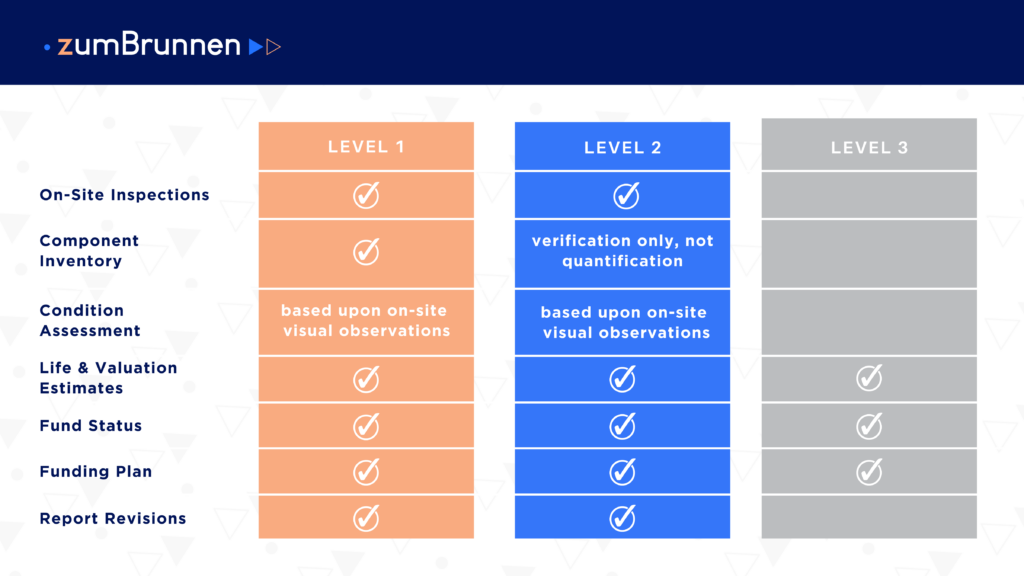
Context matters. A reserve study that looks weak in isolation might be standard for the region or building type. Compare the study’s assumptions against industry benchmarks for similar assets. This helps you determine if the underfunding is a management issue or a structural characteristic of the market segment.
| Metric | Healthy Status | Investment Risk |
|---|---|---|
| Funding Ratio | >= 70% | Low |
| Component Age | < 50% of life | Low |
| Special Assessment History | None in 5 years | Low |
The market rewards transparency and preparedness. Properties with robust reserve studies often command higher valuations because they signal lower operational risk. Use these tools to separate noise from signal in your market research.
Recommended reserve analysis tools
Selecting the right infrastructure depends on whether you are managing project contingencies or financial loss reserves. The best tools automate data aggregation, allowing you to spot shortfalls before they become solvency issues. Below are the primary software categories and the physical infrastructure required to secure the data.
Project Management & Financial Modeling Software
For project-based reserves, tools like Smartsheet or Microsoft Project allow you to link contingency budgets directly to timeline risks. They visualize the "use-it-or-lose-it" nature of management reserves. For broader financial reserve analysis, Anaplan or Adaptive Insights provide the granular forecasting needed to model loss ratios and capital adequacy against market volatility.
Hardware & Security Infrastructure
Secure the reserve data itself with dedicated hardware. Hardware wallets like the Trezor Model T protect digital asset reserves from online exploits. For document security, Fellowes Powershred cross-cut shredders ensure physical records of reserve studies are destroyed securely. Finally, an APC Back-UPS Pro keeps your analysis running during grid fluctuations, preventing data loss during critical modeling sessions.


As an Amazon Associate, we may earn from qualifying purchases.
Frequently Asked Questions About Reserve Analysis
Reserve analysis is the process of evaluating funding levels to ensure sufficient capital is available for unexpected delays or major repairs. It serves as a financial buffer, protecting projects and properties from cost overruns by aligning physical conditions with long-term financial plans.
Understanding the mechanics involves breaking down the analysis into core components. While frameworks vary, risk analysis typically hinges on four pillars: identifying potential threats, assessing their probability, estimating financial impact, and developing mitigation strategies. In reserve contexts, this translates to inventory, condition assessment, financial modeling, and funding schedule.
Reserves generally fall into two categories: management reserves and contingency reserves. Contingency reserves address known-unknowns—risks that have been identified but not fully quantified. Management reserves cover unknown-unknowns, providing a broader safety net for unforeseen events that fall outside the initial project scope.
Market Context
To see how reserve metrics interact with broader market volatility, track the performance of major infrastructure and real estate indices.
This chart tracks the Vanguard Real Estate ETF, a proxy for commercial and residential property reserves. Monitoring these trends helps investors anticipate how macroeconomic shifts might impact reserve requirements for large-scale holdings.
No comments yet. Be the first to share your thoughts!