Defining the Based Reserve Model
A Based Reserve is a specific type of algorithmic stability mechanism designed to maintain a peg to a stable asset, typically the US dollar, through smart contract logic rather than physical collateral. Unlike traditional fiat reserves held by central banks or generic DAO treasuries that rely on asset appreciation and diversification, a Based Reserve operates as a self-correcting economic engine. Its primary function is not wealth accumulation, but price stability for the native token it backs.
The core distinction lies in the backing mechanism. Traditional reserves, such as those managed by real estate firms or non-profits, rely on tangible assets like property or cash to cover future liabilities. In contrast, a Based Reserve uses a combination of algorithmic issuance and, in many modern iterations, partial collateralization to manage supply and demand. This creates a system where the reserve acts as a buffer against volatility, adjusting the token supply dynamically to absorb market shocks.
This model shifts the burden of stability from centralized institutions to decentralized code. By automating the rebalancing process, Based Reserves aim to provide a reliable unit of account within the Web3 ecosystem, enabling more predictable pricing for goods, services, and financial instruments. Understanding this mechanical difference is essential for evaluating the risks and potential of any project claiming to utilize a reserve-based architecture.
Core Infrastructure Components
Building a resilient Based Reserve requires more than just locking up assets; it demands a robust technical architecture that can withstand market volatility and oracle manipulation. The foundation rests on three interconnected layers: smart contract logic, real-time price feeds, and deep liquidity pools. Each component must be audited and optimized for low-latency execution, as delays in price discovery can lead to undercollateralization or unnecessary liquidations.
Smart Contract Architecture
The backbone of any reserve is the smart contract system that manages asset custody and issuance. These contracts must enforce strict access controls and mathematical guarantees to ensure that the reserve ratio never drops below the required threshold. Using modular designs allows for upgrades without disrupting the entire system, but every function—from minting to redeeming—must be rigorously tested against edge cases like reentrancy attacks or integer overflow.
Oracle Integration
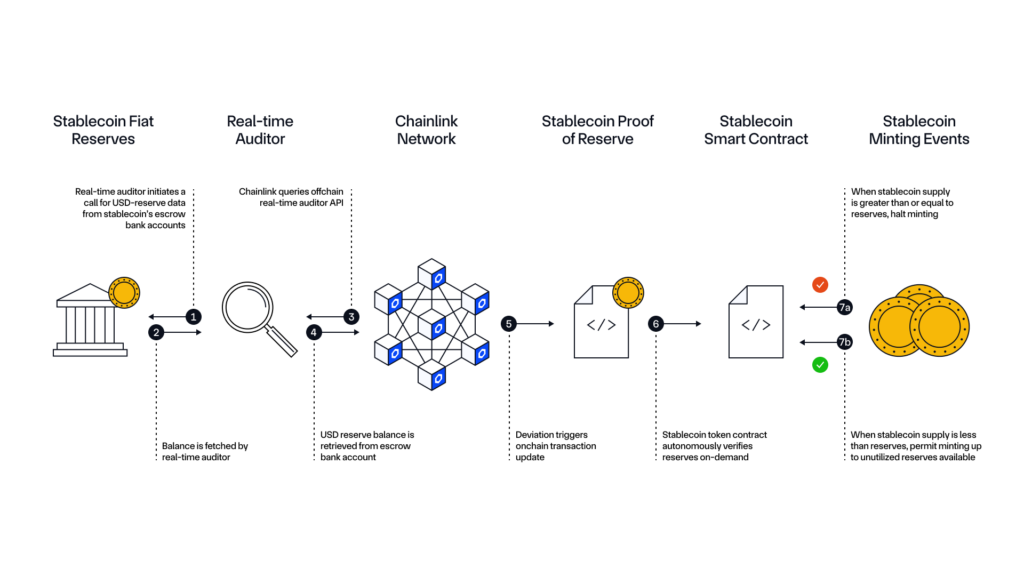
Price accuracy is the single most critical factor in reserve solvency. Integrating reliable oracles, such as Chainlink, provides decentralized, tamper-resistant price feeds that reflect real-world market conditions. Relying on a single source is dangerous; instead, use a medianizer that aggregates data from multiple providers to smooth out anomalies and prevent flash loan attacks from manipulating the reserve’s valuation.
Liquidity Pools
Liquidity ensures that the reserve can meet redemption requests without causing significant slippage. Deep pools on decentralized exchanges provide the necessary depth to absorb large trades while maintaining stable pegs. However, liquidity is not static; it requires active management through incentives and rebalancing strategies to prevent impermanent loss from eroding the reserve’s capital base over time.
Essential tools for reserve management
Managing a Based Reserve is less about hoarding cash and more about maintaining precise control over liquidity, risk, and simulation. You need software that can model stress scenarios, track on-chain exposure in real time, and alert you to solvency gaps before they become existential threats. Generic portfolio trackers won't cut it here; you need infrastructure built for high-stakes stability.
The right toolset acts like a flight simulator for your treasury. It lets you crash-test your strategies against historical market shocks without burning real capital. Below, we compare the primary categories of tools developers and treasurers use to keep these systems stable, followed by the hardware and software stacks that support this work.
Comparing reserve management tools
Different tools serve different phases of the reserve lifecycle. Some focus on real-time monitoring, while others specialize in forward-looking simulation. Choosing the right mix depends on whether you prioritize speed, depth of analysis, or integration ease.
Hardware and software for serious analysis
Running these simulations and monitoring dashboards requires reliable infrastructure. While the software handles the logic, the hardware ensures you don't miss critical alerts during high-volatility events. Here are some essential tools for setting up a robust analysis environment.



As an Amazon Associate, we may earn from qualifying purchases.
Strategic Planning for Long-Term Stability
Building a based reserve is not a one-time deployment; it is an ongoing operational discipline. To maintain stability through market cycles, you must treat your reserve management like a living system that requires regular tuning, risk assessment, and community alignment. This section outlines the strategic workflow for keeping your protocol solvent and trusted.
Define clear, automated thresholds for rebalancing your asset mix. Instead of reacting to panic, set specific deviation percentages (e.g., 5% from target allocation) that trigger smart contract actions. This removes emotional decision-making and ensures your reserve stays aligned with your risk tolerance during high volatility.
Schedule formal reviews of your reserve composition every quarter. Evaluate the credit quality of stablecoins, the liquidity depth of your collateral, and the smart contract security of your vaults. Use this time to stress-test your reserve against historical market crashes to identify potential solvency gaps before they become critical.
Transparency is your strongest defense. Publish regular reserve reports that explain any changes in asset allocation or rebalancing logic. Engage your community through governance proposals for major strategic shifts, ensuring that token holders understand the rationale behind risk mitigation steps. Trust is built when the mechanics of your reserve are open and understandable.
Analyze how your reserve assets correlate with broader market trends. If your collateral is heavily weighted toward volatile assets, consider hedging strategies or diversifying into more stable instruments during bull markets. Proactive correlation management prevents simultaneous devaluation of multiple reserve assets during a market downturn.
Maintaining a healthy based reserve requires moving beyond static holdings. By implementing automated rebalancing, regular audits, and transparent governance, you create a resilient framework that can withstand the unique pressures of the Web3 financial landscape.
Market Analysis and Risk Factors
Based Reserves are not insulated from the broader crypto market. When Bitcoin or Ethereum experience sharp volatility, the value of the underlying collateral can fluctuate significantly. This exposure means that a reserve’s health is directly tied to the stability of the assets it holds. You need to monitor these trends closely to ensure your reserve remains solvent during market downturns.
Regulatory changes also pose a distinct risk. As governments worldwide draft clearer frameworks for digital assets, compliance costs can rise, and certain reserve structures may face legal scrutiny. Staying ahead of these shifts requires active engagement with legal experts and continuous monitoring of policy updates. Ignoring regulatory developments can lead to sudden, costly restructuring.
Macroeconomic trends, such as interest rate hikes or inflation spikes, further complicate reserve management. Higher interest rates can increase the cost of borrowing, while inflation can erode the purchasing power of held assets. A robust risk strategy accounts for these external pressures by diversifying holdings and maintaining liquidity buffers. This approach helps mitigate the impact of broader economic instability on your Web3 infrastructure.
No comments yet. Be the first to share your thoughts!