What is the Based Reserve infrastructure?
In decentralized finance, a "Based Reserve" is a structural concept describing how liquidity and collateral are anchored to a chain's native currency or a foundational protocol. It serves as the bedrock of stability rather than a specific token or project. When a system is "based," its resilience relies on the underlying infrastructure's ability to maintain value without depending on external, third-party stablecoins that carry their own regulatory or counterparty risks.
This infrastructure layer acts as the primary settlement rail. Instead of relying on a reserve of USDC or USDT, a based system uses the native asset—such as ETH or BTC—as the core collateral. This approach reduces complexity and counterparty risk, as the reserve does not need to manage a basket of diverse assets. It simplifies monetary policy, making the system more transparent and easier to audit. The reserve acts as a buffer, absorbing volatility and ensuring that the protocol remains solvent even during market downturns.
Researching this infrastructure requires looking past marketing materials to the smart contracts and tokenomics. You need to understand how the reserve is minted, burned, and rebalanced. Is it algorithmic? Is it over-collateralized? The health of a based reserve system is directly tied to the health of its base asset. If the base asset loses value, the reserve contract must adjust parameters to maintain stability, often through mechanisms like seigniorage shares or dynamic fees.
Note: "Based Reserve" refers to the underlying liquidity or collateral infrastructure, not a single token.
For investors and developers, this distinction is critical. A protocol built on a robust based reserve is less likely to suffer from the "death spiral" common in algorithmic stablecoins that rely on pegs maintained by speculative demand. Instead, its value is derived from the intrinsic utility and scarcity of the base asset. This makes the infrastructure more resilient, as it doesn't need to constantly pump the price of a separate token to maintain its peg.
When evaluating a project, ask: What is the reserve based on? If it's based on a volatile, low-liquidity asset, the infrastructure is fragile. If it's based on a major, liquid asset like ETH, the infrastructure is more likely to withstand long-term market cycles. This foundational clarity is the first step in any serious market research strategy.
Analyzing core market research tools
To understand the liquidity and stability of the Based Reserve ecosystem, you need to look beyond surface-level price action. The real data lives on-chain, in the depth of order books and the velocity of capital flows. Relying on static snapshots misses the volatility that defines these markets.
Start with a TechnicalChart to visualize historical volatility. This isn't just about seeing the trend line; it's about identifying the liquidity pockets where large trades can execute without slippage. If you're tracking a major asset within the ecosystem, seeing the volume spikes alongside price movements reveals where the institutional money is actually positioned.
Pair this with a live PriceWidget to keep a finger on the pulse of current valuations. While charts show you the past, the widget confirms the present. Together, they form the baseline infrastructure for any serious market analysis, allowing you to distinguish between genuine market movement and artificial noise.
Strategic use of reserve assets in 2026
Using reserve assets in 2026 means treating them as active infrastructure rather than passive savings. The goal is to balance risk management with yield optimization, ensuring that capital remains liquid when market conditions shift. This approach requires a clear understanding of how different asset classes perform under stress, not just during bull runs.
Comparing risk and return profiles
Different reserve strategies offer distinct trade-offs between stability and growth. Stablecoins provide immediate liquidity and low volatility, making them ideal for short-term operational needs. In contrast, volatile collateral can offer higher yields but introduces significant risk during market downturns. Choosing the right mix depends on your specific liquidity requirements and risk tolerance.
| Strategy | Risk Level | Yield Potential | Liquidity |
|---|---|---|---|
| Stablecoin Holdings | Low | Low | High |
| Volatile Collateral | High | High | Medium |
| Diversified Basket | Medium | Medium | Medium |
Monitoring market conditions
Real-time data is essential for adjusting your reserve strategy. Prices fluctuate rapidly, and relying on static snapshots can lead to poor timing decisions. Using provider-backed widgets ensures you are making decisions based on current market realities. For instance, tracking the performance of major assets like Bitcoin can provide insights into broader market sentiment and liquidity trends.
Implementing risk management
Effective risk management involves setting clear limits on exposure to volatile assets. Rebalancing your portfolio regularly helps maintain the desired risk-return profile. Additionally, staying informed about regulatory changes and market developments is crucial for long-term success. By focusing on these core principles, you can build a resilient reserve strategy that withstands market volatility.
Evaluating infrastructure reliability and risks
Building or investing in a reserve system carries significant stakes because failure points are rarely gradual; they tend to compound. Whether you are managing physical facility reserves or analyzing digital infrastructure, the underlying principle remains the same: anticipate inevitable deterioration and prepare for it before it becomes a crisis. Ignoring the structural integrity of your reserve assets turns manageable maintenance into emergency-level financial strain.
For physical infrastructure, the gold standard is a comprehensive Reserve Study. These studies help owners anticipate and prepare for repair and replacement expenses by auditing the current condition of major components and projecting their remaining useful life. Without this data, you are essentially guessing when roofs will leak or HVAC systems will fail, leading to unexpected capital calls that can destabilize an organization’s finances. The Kresge Foundation emphasizes that the core principle of building reserves is ensuring organizations have provided for these inevitable needs upfront.
In the digital space, risks shift from physical decay to code vulnerability and regulatory ambiguity. Smart contract risks are paramount; a single bug in a reserve protocol can drain liquidity or freeze assets, rendering the reserve useless. Unlike physical wear and tear, which is predictable, code exploits are often sudden and irreversible. Regulatory considerations are also evolving rapidly. Authorities are increasingly scrutinizing reserve-backed assets to ensure transparency and solvency, meaning compliance is not just a legal formality but a core component of infrastructure reliability.
To mitigate these risks, a rigorous pre-investment or pre-implementation checklist is essential. This should include verifying audit history for digital protocols, reviewing the most recent Reserve Study for physical assets, and assessing the regulatory environment’s stability. By focusing on these foundational checks, you move from reactive panic to proactive management, ensuring your reserve remains a buffer rather than a liability.
Essential gear for market analysis
Rigorous market analysis requires more than just a browser tab; it demands a secure, distraction-free environment. For Base Reserve-style infrastructure, your hardware is the first line of defense. A dedicated hardware wallet keeps your private keys offline, ensuring that even if your trading terminal is compromised, your assets remain cold and safe. This separation of concerns is non-negotiable for high-stakes portfolio management.

On the software side, multi-factor authentication (MFA) tokens are your second layer. Avoid SMS-based codes which are vulnerable to SIM-swapping attacks. Instead, use app-based or hardware-based MFA solutions to secure your exchange accounts. Pair this with a dedicated device for trading—separate from your personal computer—to minimize the risk of keyloggers or malware intercepting your credentials.


As an Amazon Associate, we may earn from qualifying purchases.
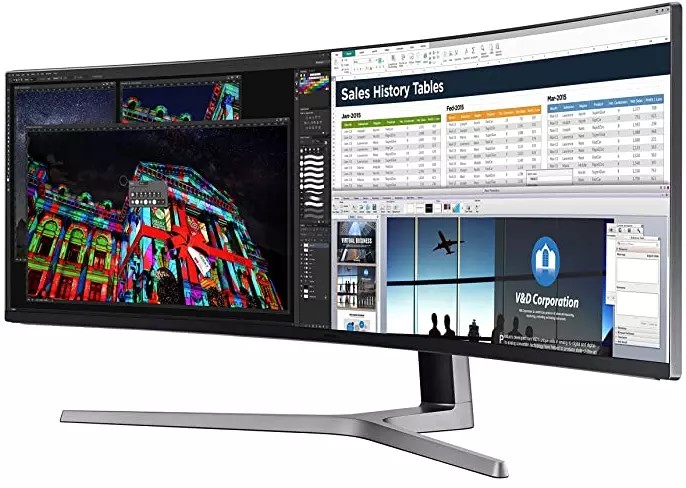
Finally, consider your display infrastructure. A high-resolution monitor allows you to view multiple data streams simultaneously without clutter. This clarity reduces cognitive load during volatile market conditions, allowing you to make decisions based on data rather than guesswork. The right gear turns noise into signal.
No comments yet. Be the first to share your thoughts!