Defining the based reserve infrastructure
A based reserve is not simply a collection of digital assets sitting in a wallet. It is a structured infrastructure designed to maintain solvency and liquidity against the volatility of the underlying market. In the 2026 crypto landscape, distinguishing a true based reserve from generic stablecoin holdings or traditional fiat savings is critical for high-stakes financial decisions. The difference lies in how the reserve is engineered to absorb shock, not just in what it holds.
Traditional fiat reserves rely on low-yield, low-risk instruments like government bonds or savings accounts. They are stable but often fail to keep pace with inflation or the rapid appreciation of crypto assets. Generic stablecoin holdings, while liquid, carry counterparty risk and may lack the diversification needed to protect capital during prolonged market downturns. A based reserve infrastructure bridges this gap by combining liquid crypto assets with rigorous hedging strategies.
The core of this infrastructure is the ability to hedge against the volatility of the primary asset class. For most crypto-based reserves, this means managing exposure to Ethereum (ETH), the backbone of the decentralized finance ecosystem. Understanding the price action and volatility of ETH is not optional; it is the foundation of reserve management. Without a clear view of the underlying asset's behavior, a reserve is essentially a gamble.
This chart of ETH/USD over the past year illustrates the volatility that based reserves must navigate. The sharp swings in price demonstrate why static holdings are insufficient. A robust infrastructure requires dynamic rebalancing and often incorporates stablecoins or derivatives to lock in value during peaks. The goal is to ensure that the reserve retains its purchasing power and liquidity regardless of the market cycle.
Building this infrastructure requires a shift in mindset from passive saving to active management. It involves selecting the right mix of assets, understanding the regulatory environment, and implementing tools that provide real-time visibility into reserve health. The based reserve is not just a safety net; it is a strategic asset that enables growth and stability in a volatile market.
Strategic tools for reserve management
Managing a based reserve requires more than holding assets; it demands a rigorous infrastructure for liquidity, yield, and risk. In 2026, the distinction between passive holding and active reserve management is defined by the tools deployed. We rely on on-chain analytics for real-time visibility and off-chain frameworks for structural integrity.
Liquidity and Yield Infrastructure
Liquidity management centers on maintaining sufficient dry powder for redemptions while maximizing yield on idle reserves. We use TechnicalChart widgets to monitor the volatility of underlying assets, ensuring that liquidity pools remain deep enough to absorb shocks without slippage. Yield generation is not speculative; it is engineered through diversified strategies that balance safety with return.
We compare reserve strategies using a structured framework to evaluate risk-adjusted returns. This table outlines the trade-offs between conservative staking and active DeFi yield, helping us select the right tool for each tranche of the reserve.
| Strategy | Risk Level | Expected Yield | Liquidity Access |
|---|---|---|---|
| Conservative Staking | Low | 3-5% | Medium |
| Active DeFi Yield | High | 8-15% | Variable |
| Treasury Bills | Minimal | 4-5% | High |
Risk Mitigation and Monitoring
Risk mitigation is embedded in the toolset itself. We use automated alerts to track exposure limits and rebalance portfolios before deviations become critical. The image below illustrates the concept of stabilizing infrastructure, a metaphor for how robust reserve tools stabilize financial flows against volatility.

By integrating these tools, we ensure that every decision is data-driven. The goal is not to eliminate risk, but to measure it precisely and manage it within defined parameters. This approach transforms reserve management from a reactive process into a strategic advantage.
Market research metrics for 2026
Monitoring a reserve requires more than checking the current balance. You need to track the underlying data points that signal whether your infrastructure is sustainable or drifting into risk. For 2026, the focus shifts from static snapshots to dynamic health indicators.
Start with the primary reserve asset. Volatility and liquidity are the first metrics to watch. If your reserve holds significant exposure to volatile assets like Ethereum, you need real-time price context to assess collateral adequacy.
Next, analyze the reserve coverage ratio. This metric compares your available funds against projected replacement costs for major infrastructure components. A ratio below 50% suggests underfunding, while anything above 100% indicates a surplus that might be better deployed elsewhere.

Finally, track the contribution rate. This is the percentage of dues allocated to the reserve fund annually. Compare this rate against the recommended contribution from your reserve study report. If the actual rate lags behind the recommended rate, your reserve is likely growing too slowly to meet future obligations.
These three metrics—asset health, coverage ratio, and contribution rate—form the core of your market research. They provide a clear, data-driven view of your reserve's long-term viability.
Executing the reserve strategy
A reserve study is only as good as its implementation. Moving from analysis to execution requires a disciplined workflow that aligns capital allocation with actual infrastructure needs. This section outlines the operational steps to deploy your reserve strategy effectively, ensuring compliance and long-term stability.
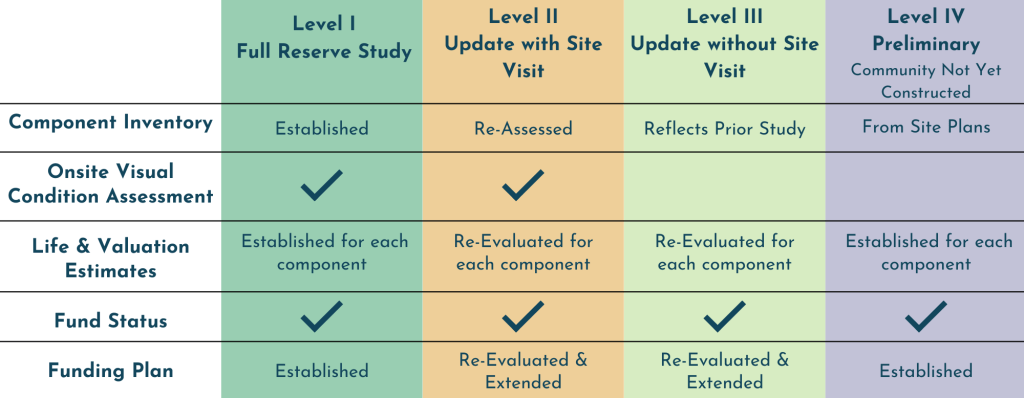
Before deploying capital, verify that your reserve policy meets all regulatory and governance standards. This includes confirming that your reserve fund is segregated from operating accounts and that your allocation strategy aligns with the latest component analysis. Security audits of your fund management infrastructure should be completed here to prevent misallocation or unauthorized access.
Determine the initial funding level required to meet your reserve goals. This involves calculating the present value of future deferred maintenance and replacement costs. Allocate the necessary capital from your operating surplus or special assessments to establish the baseline. Ensure this initial injection covers at least the immediate needs identified in your component analysis.
Reserve funds often hold significant cash or liquid assets that are exposed to market volatility. Integrate real-time monitoring tools to track the performance of your reserve investments. Use provider-backed widgets to view live charts and price data for your reserve assets, ensuring you can react quickly to market shifts that impact your fund's purchasing power.

Do not deploy all funds at once. Structure disbursements in phases that match the projected lifecycle of your infrastructure components. This approach minimizes idle cash drag while ensuring liquidity is available when specific maintenance windows open. Align payment schedules with vendor contracts to maintain cash flow efficiency.

Reserve strategies are not static. Conduct an annual audit to compare actual expenditures against your projected reserve schedule. Adjust future contribution rates based on inflation, actual component lifespan, and changes in market conditions. This continuous feedback loop keeps your reserve strategy responsive and financially sound.
Essential tools and resources
Managing a reserve fund requires more than just spreadsheets; it demands a stack of specialized tools that handle everything from component lifecycle tracking to compliance reporting. Whether you are managing a small HOA or a large commercial portfolio, the right software reduces the risk of underfunding and streamlines the annual review process.
Reserve study software
Professional reserve study software automates the complex calculations required to forecast future capital expenditures. These platforms maintain a database of all community assets, tracking their remaining useful life and replacement cost. This centralization ensures that your funding plan is based on current data rather than outdated estimates. Look for tools that integrate with accounting software to streamline the collection process.
Financial modeling and analysis
For deeper financial analysis, dedicated modeling tools allow you to stress-test your reserve funding plan against various scenarios. These tools help you visualize how changes in interest rates, inflation, or unexpected major repairs impact your long-term solvency. They are particularly useful when presenting funding options to board members or homeowners, providing clear, data-driven visuals.
Security and hardware wallets
As reserves grow, securing the underlying assets becomes paramount. For cryptocurrency or digital asset reserves, hardware wallets provide offline storage, protecting funds from online threats. When selecting hardware, prioritize devices with strong track records of security audits and user-friendly interfaces for managing multiple keys. This physical layer of security is essential for high-stakes reserve management.


As an Amazon Associate, we may earn from qualifying purchases.
No comments yet. Be the first to share your thoughts!