
What defines a based reserve
In public finance, a "based reserve" isn't just money sitting in a bank account waiting to be spent. It is a calculated buffer designed to absorb specific financial shocks. Unlike general savings, which might be hoarded for future capital projects, a based reserve is determined by analyzing the risks facing a government entity. It answers the question: "How much cash do we need to stay solvent if revenue drops or unexpected costs spike?"
The Government Finance Officers Association (GFOA) emphasizes that this approach is risk-based. This means the size of the reserve is not arbitrary. It is derived from a systematic assessment of vulnerabilities. For example, a city heavily dependent on tourism might maintain a larger reserve to withstand a sudden drop in visitor spending, while a municipality with stable tax bases might require less. The goal is to align financial cushions with actual exposure.
This distinction matters because it shifts reserve management from a passive practice to an active strategy. Instead of guessing how much to save, governments use data to determine the right level of protection. This method, often referred to as reserve analysis, ensures that public funds are both safe and efficiently used, balancing fiscal responsibility with the need for operational stability.
Core infrastructure for reserve analysis
Valid reserve analysis depends on clean data and rigorous modeling. Without accurate inputs, even the most sophisticated financial models will produce misleading results. Local governments must establish a technical foundation that prioritizes data integrity, standardized reporting, and transparent stress-testing capabilities.
The GFOA provides the primary framework for this work. Their guidelines emphasize risk-based analysis, urging governments to move beyond static reserve targets. Instead, they recommend dynamic models that account for specific local risks, such as property tax volatility or grant dependency. This approach ensures that reserve levels reflect the actual financial health of the jurisdiction.
To support this, infrastructure must include robust data pipelines that connect general ledger systems with budgeting software. This integration allows for real-time monitoring of fund balances and operating expenditures. When data flows seamlessly between systems, analysts can run scenario tests more frequently, identifying potential shortfalls before they become crises.

As an Amazon Associate, we may earn from qualifying purchases.
PriceWidget symbol="BTC" assetType="crypto" tvSymbol="BINANCE:BTCUSDT" />
Key metrics in reserve calculations
Building a reserve is less about guessing a lucky number and more about measuring your exposure. Local governments don’t just pick a round figure; they calculate specific financial metrics that reflect their risk profile. The goal is to ensure the general fund has enough unrestricted cash to keep the lights on when revenue drops or unexpected costs spike.
The most common starting point is the Operating Expenditure Coverage. This metric measures how many months of regular operating expenses the fund can cover using its available balance. It answers a simple question: if tax collections dried up tomorrow, how long could the government pay its bills? The GFOA sets the baseline for this, recommending that general-purpose governments maintain at least two months of regular operating expenditures or revenues in their general fund. This is the floor, not the ceiling.
However, two months isn’t enough for every city. A small town with a stable tax base might be fine with the minimum, while a city dependent on volatile tourism or construction fees needs more. This is where the Fund Balance Ratio comes in. By comparing the unrestricted fund balance against total expenditures, analysts can see if the reserve is growing or shrinking relative to the size of the operation. A higher ratio indicates a stronger buffer, but it also means less money is being spent on services today.
To help compare these standards, here is how different reserve benchmarks stack up against each other.
| Metric | Standard | Purpose | Best For |
|---|---|---|---|
| Operating Expenditure Coverage | 2 months minimum (GFOA) | Ensures short-term liquidity | Stable revenue environments |
| Operating Expenditure Coverage | 4-6 months (Risk-Based) | Covers moderate economic shocks | Moderate volatility |
| Operating Expenditure Coverage | 12+ months (High Risk) | Survives severe recessions | High volatility or single-source revenue |
| Fund Balance Ratio | 10-20% of expenditures | Measures reserve health relative to size | All government types |
| Fund Balance Ratio | >30% of expenditures | Indicates strong financial cushion | Cities with high fixed costs |
Applying reserve analysis to market research
Reserve analysis moves beyond simple accounting to become a core component of strategic market research. For public sector entities, these tools provide a transparent view of fiscal health, allowing stakeholders to assess stability against future liabilities. By examining existing resources, organizations can frame how they enable long-term operations rather than just balancing the current ledger.
The GFOA sets the standard for this assessment. Their guidelines recommend that general-purpose governments maintain unrestricted budgetary fund balance in their general fund of no less than two months of regular operating revenues or expenditures. This baseline ensures that entities can weather unexpected economic shifts without disrupting essential services.
To apply this in market research, analysts follow a structured workflow. This approach ensures that reserve data is interpreted correctly within the broader economic landscape.
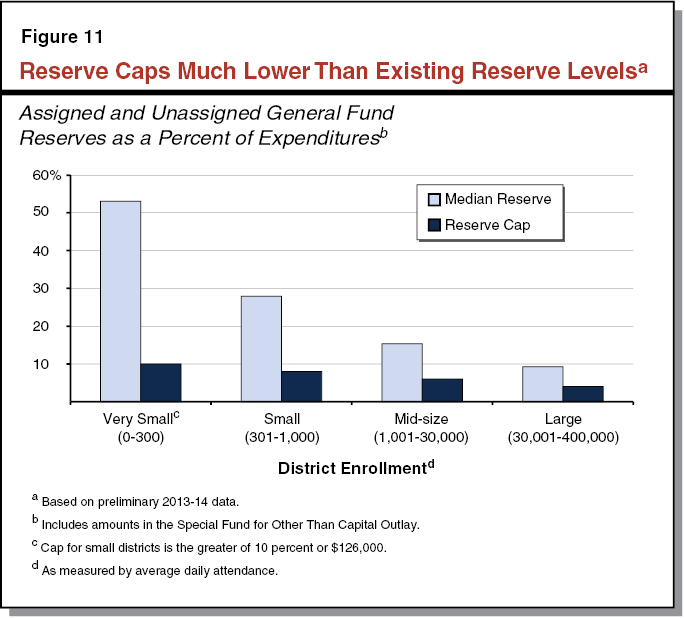
Start by identifying the regulatory environment. Different sectors face varying compliance requirements, so the first step is determining which standards apply to the entity being analyzed. This sets the boundary for the data collection phase.
Gather detailed records of unrestricted budgetary fund balances. Accuracy is critical here, as even minor discrepancies can skew the stability assessment. Cross-reference these figures with recent operating revenues to ensure the data reflects current fiscal reality.
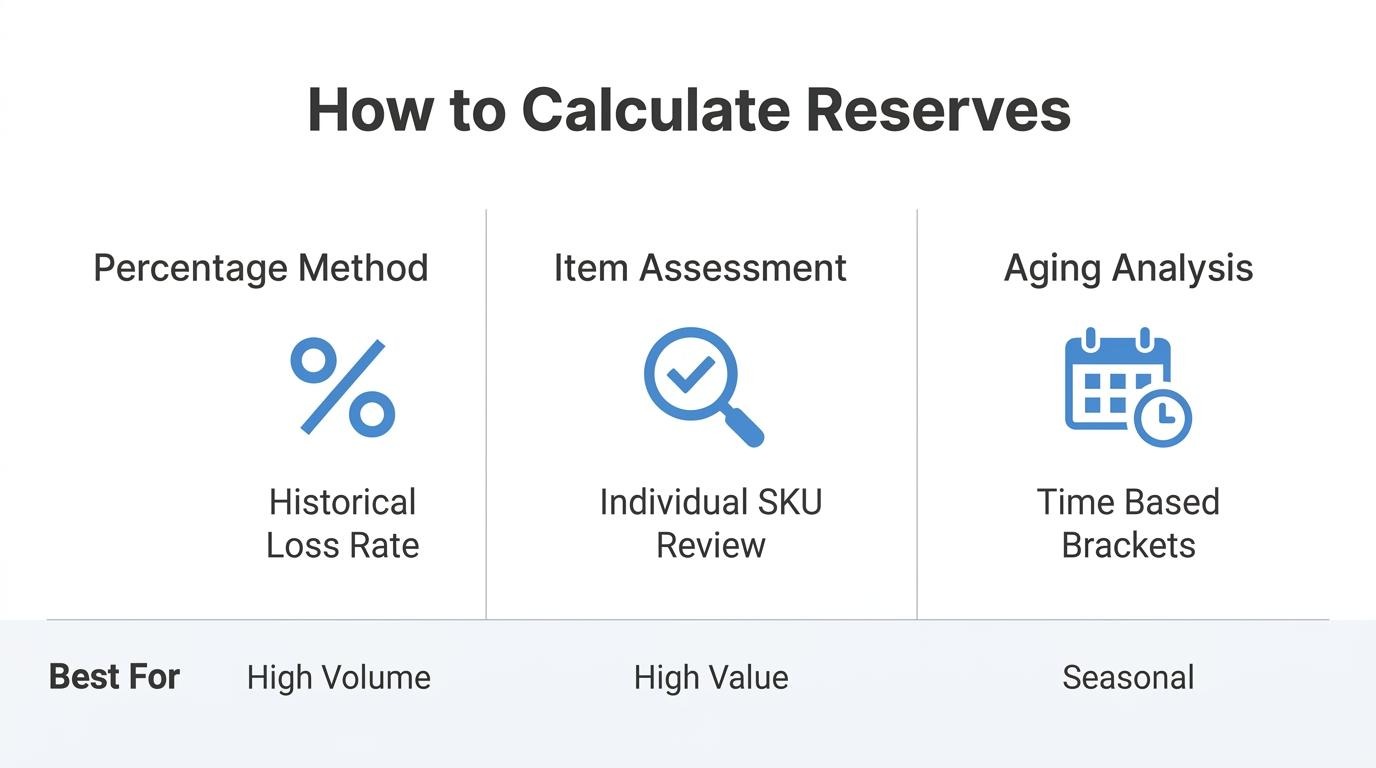
Compare the unrestricted fund balance against monthly operating expenditures. This ratio reveals whether the entity meets the GFOA’s two-month minimum. A ratio below this threshold signals potential liquidity risks that require immediate strategic attention.
Place the reserve metrics within the broader market research framework. High reserves may indicate conservative spending or a buffer against economic downturns, while low reserves might suggest aggressive growth strategies or fiscal strain. This interpretation guides investment or policy decisions.
By following these steps, researchers can transform raw financial data into actionable insights. This process ensures that reserve analysis serves as a reliable indicator of fiscal stability and strategic readiness.
Common pitfalls in reserve planning
Even with the best intentions, local governments often leave their reserves vulnerable to simple planning errors. The goal of a reserve isn't just to have a number in the bank; it is to ensure that number actually covers the risks that matter most. When that alignment breaks down, the reserve becomes a false sense of security.
One of the most frequent mistakes is relying on static percentages rather than dynamic risk assessments. The GFOA has long recommended that governments move away from a "one-size-fits-all" approach. Instead, they advocate for a risk-based analysis that weighs specific local threats—like reliance on a single industry or exposure to natural disasters. Treating a volatile revenue stream the same as a stable one is a recipe for shortfall.
Another critical error is ignoring stress tests. A reserve plan that only accounts for "normal" economic cycles will fail when a recession hits. Planners must model worst-case scenarios, such as a sudden drop in property tax collections or a spike in healthcare costs. Without these simulations, a reserve that looks healthy on paper may evaporate within months of a crisis.
Finally, using outdated revenue projections is a silent killer of reserve adequacy. If your baseline assumptions are based on data from five years ago, your reserve targets are likely misaligned with current realities. Regularly updating these projections ensures that your reserve policy remains a living document, not a relic.
For a deeper look at how these principles apply in practice, the GFOA’s case study on Colorado Springs demonstrates how a structured risk assessment can refine reserve requirements. Their approach highlights the importance of identifying specific general risk factors rather than relying on broad assumptions.
No comments yet. Be the first to share your thoughts!