What is a based reserve?
In Web3, a Based Reserve is a protocol’s foundational treasury asset that anchors its economic stability. Unlike traditional financial reserves, which are often cash or liquid assets held by institutions to cover liabilities, a based reserve is the core collateral or token that defines the protocol’s value floor. It is the "based" layer—the unshakeable foundation upon which the rest of the ecosystem is built.
Traditional finance relies on reserve requirements to ensure solvency. For example, mortgage lenders require borrowers to hold cash reserves to cover payments during income loss [1]. In Web3, the concept is flipped: the protocol itself holds the reserve. This reserve absorbs volatility, backs stablecoins, or secures lending positions. It is the difference between a system that collapses under stress and one that endures.
The key distinction lies in where the trust resides. Traditional reserves are trusted because of regulatory oversight and institutional backing. A based reserve is trusted because of cryptographic verification and transparent on-chain accounting. This shift from institutional trust to code-based trust is what makes Web3 reserves unique—and risky.
The Technical Stack Behind a Based Reserve
A based reserve isn’t just a wallet; it’s a coordinated system of smart contracts, data feeds, and liquidity mechanisms. To maintain stability, the infrastructure must handle real-time valuation, automated rebalancing, and secure asset custody. This section breaks down the three core components that make a based reserve functional: the smart contract architecture, the oracle dependencies, and the liquidity pools.
Smart Contract Architecture
The foundation of any based reserve is the smart contract layer. These contracts manage the logic for asset deposits, withdrawals, and interest accrual. They must be immutable enough to ensure trust but flexible enough to adapt to market shifts. The architecture typically involves a main treasury contract that interacts with specialized vaults for different asset classes. Security is paramount; every line of code is a potential attack vector, so formal verification and multiple audit rounds are standard practice. The goal is to create a system where the rules of the reserve are transparent and enforceable by code, not by human discretion.
Oracle Dependencies
Smart contracts cannot see the outside world on their own. They rely on oracles to provide real-time price data for the assets held in the reserve. Without accurate price feeds, the reserve cannot correctly calculate its net asset value (NAV) or trigger necessary rebalancing actions. Chainlink is the most common choice for this role due to its decentralized network of data providers, which reduces the risk of a single point of failure. The oracle system must be robust against latency and manipulation, ensuring that the reserve’s value is always reflected in current market conditions. If the oracle data is stale or inaccurate, the entire reserve mechanism can fail, leading to insolvency or unfair liquidations.
Liquidity Pools
Liquidity is the lifeblood of a based reserve. The reserve must hold enough liquid assets to meet redemption requests without disrupting the broader market. This is often achieved by allocating a portion of the reserve to decentralized exchange (DEX) liquidity pools. These pools allow for seamless swapping between stablecoins and volatile assets, ensuring that the reserve can maintain its peg or target value. However, providing liquidity comes with risks, such as impermanent loss. The reserve strategy must carefully balance the depth of these pools with the need for capital efficiency. Too little liquidity leads to slippage and price instability; too much locks up capital that could be earning yield or serving as a buffer.
Where to Find Reliable Data for Based Reserve Analysis
Building a resilient Based Reserve requires looking past the glossy press releases and into the raw data. Traditional financial reports often lag behind market reality, hiding solvency issues until they are too late. To truly assess reserve health, you need to treat on-chain metrics as your primary source of truth.
Start with the protocol’s official documentation and GitHub repositories. These sources provide the immutable logic behind reserve mechanisms. Look for smart contract audits from reputable firms like OpenZeppelin or Trail of Bits. These technical reports reveal potential vulnerabilities that whitepapers might gloss over.
For real-time financial health, rely on on-chain analytics platforms like Etherscan or Dune Analytics. These tools allow you to verify reserve balances directly against the blockchain. You can track inflows, outflows, and token velocity without relying on third-party interpretations. This transparency is the bedrock of trust in a decentralized system.
Cross-reference these on-chain figures with community governance forums. Decisions about reserve allocation are often debated in governance proposals before they are executed. Reading through these discussions gives you insight into the strategic intent behind reserve movements.
Finally, monitor social sentiment on platforms like Twitter and Discord. While not a substitute for hard data, sudden shifts in community tone can signal underlying issues. Combine this qualitative data with the quantitative metrics from your analytics tools to form a complete picture of the reserve’s stability.



As an Amazon Associate, we may earn from qualifying purchases.
Strategic implementation steps
Building a robust Based Reserve system requires moving beyond simple token accumulation to a structured, auditable framework. Whether you are deploying a new protocol or evaluating an existing one, the implementation follows a clear lifecycle: from asset selection to continuous verification. This approach ensures that the reserve remains solvent and transparent under market stress.
Start by selecting the underlying assets that back your reserve. A Based Reserve typically blends stablecoins, government bonds, and potentially other low-volatility crypto assets. The goal is to balance yield generation with liquidity. Avoid over-concentrating in single assets; diversification is your primary hedge against depegging events or issuer failure.
Your smart contracts must enforce the reserve rules automatically. Implement functions for depositing, withdrawing, and rebasing the reserve tokens. Ensure that the contract logic prevents unauthorized access or manipulation. This code becomes the immutable law of your reserve, so rigorous auditing is non-negotiable before any mainnet deployment.
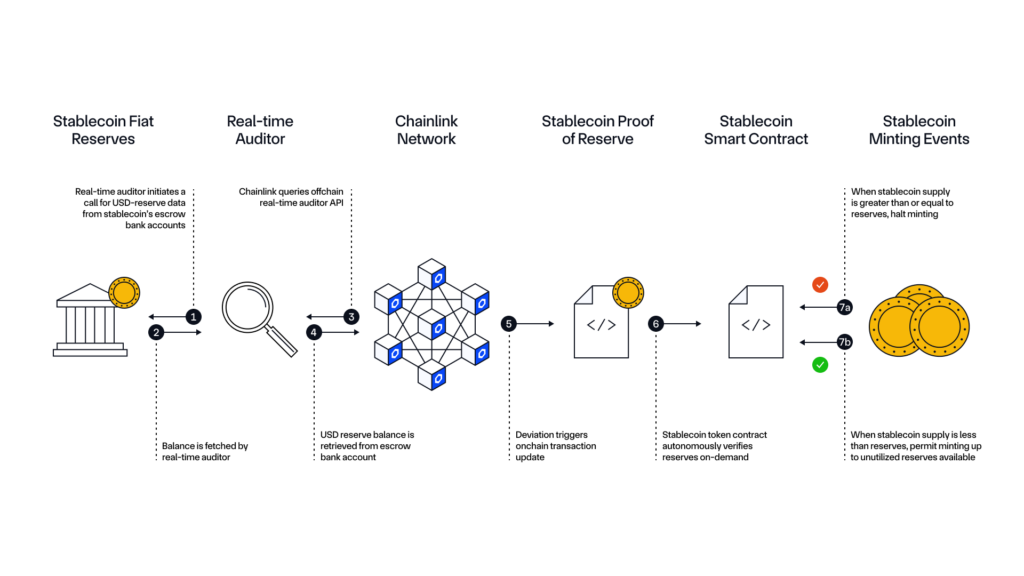
Transparency is key. Connect your reserve to reputable oracles that provide real-time price feeds and proof-of-reserves data. This allows users to verify that the on-chain liabilities are fully backed by the on-chain assets. Regular verification cycles build trust and prevent the opacity that often leads to systemic failures in traditional finance.
Markets shift, and your reserve must adapt. Set up automated rebalancing triggers that adjust the asset mix when volatility exceeds defined thresholds. This might involve selling high-yield assets to buy more stablecoins during a crash, or vice versa. The objective is to maintain the reserve's purchasing power and solvency without requiring constant manual intervention.
Finally, simulate extreme market conditions to test your reserve's resilience. Run scenarios like 50% drops in collateral value or sudden spikes in redemption requests. Use these tests to refine your parameters and ensure that your Based Reserve can withstand the worst-case scenarios without breaking the peg or causing a liquidity crisis.
By following these steps, you create a Based Reserve that is not just a static pool of funds, but a dynamic, self-correcting financial instrument. This methodology prioritizes long-term stability over short-term yield chasing, aligning your protocol with the most sustainable practices in Web3 finance.
Essential tools for reserve management
Managing a based reserve isn't just about holding assets; it's about proving their existence in real-time. Transparency is the backbone of trust in Web3, and the right software stack makes that proof visible to everyone, from developers to regulators. Without robust monitoring, a reserve is just a promise. With it, you have a verified ledger.
| Tool | Primary Focus | Security Model | Cost Structure |
|---|---|---|---|
| Chainlink Proof of Reserve | Real-time asset verification | Decentralized oracle network | Pay-per-use fees |
| Glassnode | On-chain analytics & insights | Proprietary data aggregation | Subscription tiers |
| Nansen | Smart money tracking | Wallet labeling & data | Subscription tiers |
| Dune Analytics | Custom SQL dashboards | Open-source query engine | Free tier & paid compute |
Each tool serves a different layer of the reserve verification puzzle. Chainlink Proof of Reserve (PoR) connects on-chain assets to off-chain data, ensuring that the tokens backing your stablecoin actually exist in the designated vaults. It’s the gold standard for automated, continuous verification.
For deeper analysis, platforms like Glassnode and Nansen provide the "why" behind the numbers. They track wallet behaviors and on-chain movements, helping you understand if reserve holders are accumulating or distributing assets. Dune Analytics allows you to build custom dashboards tailored to your specific reserve metrics, giving you granular control over what data you highlight.
Choosing the right mix depends on your audience. If you need to prove solvency to the public, PoR is non-negotiable. If you need to optimize your reserve strategy based on market sentiment, Glassnode and Nansen offer the necessary depth. Combine these tools to create a comprehensive view of your reserve health.
Common reserve questions answered
Understanding how a Based Reserve functions requires looking at the mechanics of liquidity, not just the token price. While traditional finance defines reserves as cash assets held to cover loan obligations or unexpected losses [1], in the context of a Based Reserve, these assets serve as the shock absorber for the protocol.
The goal is simple: maintain stability when market volatility hits. Below are the most frequent questions about how these reserves operate and why they matter for long-term viability.
No comments yet. Be the first to share your thoughts!