Defining the Based Reserve Model
In traditional finance and project management, a "reserve" is a safety net. It’s a contingency budget set aside to cover unexpected costs, like a construction buffer for material price spikes or a city’s general fund for emergency repairs. These are static pools of capital designed to absorb known risks. But in Web3 infrastructure, the concept shifts from passive storage to active mechanics. Here, we focus on Based Reserve analysis, which examines how algorithmic protocols use reserves to maintain stability without relying on external bailouts or centralized oversight.
A Based Reserve isn't just a savings account; it's the engine of the system. It operates on code-driven rules that automatically adjust supply, demand, or collateral ratios to keep the protocol solvent. Think of it less like a piggy bank and more like a hydraulic pump that adjusts pressure in real-time to prevent a pipe from bursting. When the system detects instability, the reserve doesn't just sit there—it actively intervenes, often by minting or burning tokens, or by swapping collateral, to restore equilibrium.
This distinction matters because it changes how you evaluate risk. Traditional reserve analysis looks at liquidity ratios and historical spending. Based Reserve analysis looks at smart contract logic, tokenomics, and the resilience of the underlying algorithm. You aren't just checking if the protocol has enough money; you're verifying if its code can correctly deploy that money under stress. This is the foundation of algorithmic stability, where trust is placed in mathematical certainty rather than institutional reputation.
Key Metrics for Reserve Health
Evaluating a Based Reserve requires looking beyond surface-level token prices. You need quantifiable data points that reveal the asset's structural integrity and its ability to withstand market stress. The following metrics form the core of any serious Based Reserve analysis.
Collateralization Ratio
The collateralization ratio measures the value of the reserve assets against the circulating supply or outstanding liabilities. A high ratio indicates a buffer against volatility, while a low ratio signals fragility. In traditional finance, this is often tracked as the Percent Funded, which determines if cash reserves are sufficient to cover future obligations.
Liquidity Depth
Liquidity depth assesses how much volume is available to absorb large trades without causing significant price slippage. Thin liquidity can lead to rapid devaluation during sell-offs. Robust order books and deep pools are essential for maintaining stability during periods of high volatility.
Decay Rate
The decay rate tracks how quickly reserve assets lose value or utility over time. This is critical for assets that may face obsolescence or regulatory changes. Monitoring decay helps determine if the reserve needs constant replenishment to maintain its peg or backing value.
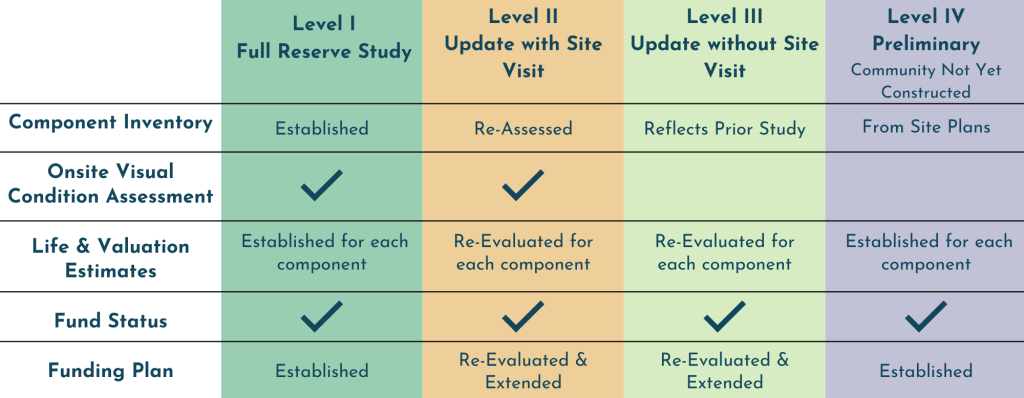
Comparison of Reserve Models
Different reserve structures prioritize different metrics. The table below contrasts common approaches to help you identify which model aligns with your risk tolerance.
| Model | Primary Strength | Primary Risk |
|---|---|---|
| Fully Backed | Maximum stability | Capital inefficiency |
| Fractional Reserve | High capital efficiency | Contagion risk |
| Algorithmic | Scalability | Death spiral potential |
Analyzing Infrastructure Resilience
A reserve’s value is only as strong as the systems holding it. For Based Reserve analysis, this means looking past the balance sheet to the technical plumbing: smart contract audits, oracle reliability, and multi-chain deployment strategies. If the infrastructure cracks, the reserve becomes irrelevant.
Smart Contract Audits
Audits are not a one-time checkbox but a continuous verification process. In traditional project management, reserves manage cost risks by tracking commitments and physical completion [src-serp-6]. In Web3, audits manage code risk by verifying that the contract logic matches the intended economic model. You must look for recent, reputable audit reports that specifically address mint/burn mechanics and pause functions.
Oracle Reliability
Oracles feed external price data into the reserve. If an oracle fails or is manipulated, the reserve’s peg can break instantly. Reliable Based Reserve analysis requires checking which oracle providers are used and whether they employ decentralized data aggregation to prevent single points of failure.
Multi-Chain Deployment
Deploying across multiple chains spreads risk but complicates oversight. A reserve strategy must ensure that assets are accessible and verifiable across all active chains. This requires consistent monitoring tools that can track total supply and collateral value in real-time, regardless of where the protocol is deployed.
Market Research and Competitive Tools
Finding the right software for based reserve analysis requires moving beyond generic project management dashboards. While traditional reserve analysis helps teams allocate budget for known risks, Web3 reserve tools must track volatile asset pools, token emissions, and protocol solvency in real time. You need platforms that can model liquidity depths and simulate stress scenarios specific to decentralized finance.
| Tool Category | Primary Focus | Best Use Case |
|---|---|---|
| On-Chain Analytics | Real-time data | Tracking active reserves and liquidity flows |
| Financial Modeling Software | Projection | Long-term sustainability and emission schedules |
| Risk Assessment Platforms | Stress testing | Simulating market crashes and liquidity drains |
When evaluating these tools, prioritize those that integrate directly with your blockchain explorer or wallet interface. This reduces manual data entry errors and ensures your based reserve analysis reflects the current state of the protocol. Look for features that allow you to set alerts for significant changes in reserve ratios or unexpected outflows.


As an Amazon Associate, we may earn from qualifying purchases.
Building a Resilient Reserve Strategy
A strong Based Reserve strategy isn’t just about holding assets; it’s about ensuring those assets can withstand market shocks. Think of your reserve like a financial shock absorber: it needs to be flexible enough to handle bumps but rigid enough to hold the structure together during a crash. For developers and investors, this means moving beyond simple accumulation toward active, stress-tested management.

Don’t put all your liquidity in one basket. A resilient reserve mixes stablecoins, blue-chip crypto, and potentially traditional assets. This diversification reduces the risk that a single token’s collapse wipes out your entire safety net.
Regularly simulate extreme market conditions. Ask: What happens if 50% of users withdraw at once? If the primary stablecoin depegs? If your main collateral drops 30% in an hour? Your reserve analysis must account for these "black swan" events, not just average daily volatility.

Use real-time dashboards to track reserve ratios and collateral quality. Automated alerts for unusual outflows or collateral depreciation allow you to react before a crisis becomes catastrophic. Transparency here builds trust with your community.
| Feature | Standard Reserve | Resilient Reserve |
|---|---|---|
| Asset Composition | Single stablecoin | Multi-asset mix |
| Liquidity Access | Instant but risky | Tiered/Buffered |
| Stress Testing | Rare or none | Regular simulations |
Building a resilient reserve is an ongoing process, not a one-time setup. By diversifying and stress-testing, you create a buffer that protects your protocol’s longevity. This approach aligns with the core goal of reserve analysis: maintaining financial stability even when the market doesn’t.
Common Questions on Reserve Analysis
Understanding how reserve analysis functions in practice helps clarify why it is distinct from general budgeting. Below are answers to frequent questions about legal requirements and budgeting distinctions.
No comments yet. Be the first to share your thoughts!