What is a based reserve analysis?
A based reserve analysis is a method used to evaluate the amount of risk facing a project or organization and the amount of schedule and budget reserve required to determine whether that reserve is sufficient for the remaining risk. Unlike general budgeting, which focuses on allocating funds for expected expenses, this analysis treats reserves as a financial hedge against uncertainty.
For local governments, this means looking beyond simple cash-on-hand. As noted by the Government Finance Officers Association (GFOA), reserves are not just extra money sitting in an account; they are a calculated buffer against specific financial threats. The GFOA recommends that local governments maintain reserves equal to two months of operating revenue, or roughly 16.7 percent of annual revenue, but a based analysis tailors this number to the specific volatility of the jurisdiction.
The process typically follows four stages: identify, assess, respond, and monitor. First, you identify potential risks, such as a drop in property tax revenue or an unexpected infrastructure repair. Then, you assess the likelihood and financial impact of those risks. Finally, you determine the appropriate reserve size to absorb those shocks without disrupting essential services.
This approach shifts the conversation from "how much money do we have?" to "how much money do we need to stay safe?" It transforms reserves from a passive savings account into an active risk management tool.
Key infrastructure tools for analysis
Strategic reserve analysis requires more than just a spreadsheet and a gut feeling. It demands a robust infrastructure of software and frameworks capable of handling complex risk scenarios. For local governments and financial analysts, the goal is to move from static budgeting to dynamic risk-based modeling. This shift allows decision-makers to see exactly how much buffer is needed against revenue volatility, unexpected expenditures, or economic downturns.
The foundation of this infrastructure often relies on established methodologies from authoritative bodies like the Government Finance Officers Association (GFOA). Their approach emphasizes evaluating potential risks to determine appropriate reserve levels, rather than adhering to a one-size-fits-all percentage. By integrating these frameworks into dedicated analysis tools, organizations can stress-test their financial health against various market conditions.
Selecting the right tool involves comparing features such as scenario simulation, real-time data integration, and customizable risk parameters. The following comparison highlights the core capabilities of leading reserve analysis platforms used by public sector entities.
| Feature | Standard Spreadsheet | Dedicated Risk Tool | GFOA Framework |
|---|---|---|---|
| Scenario Simulation | Manual, error-prone | Automated, multi-variable | Structured stress tests |
| Data Integration | Static imports | Real-time feeds | Historical benchmarking |
| Risk Quantification | Qualitative estimates | Statistical probability | Risk-aware policy alignment |
Steps to conduct market research
Building a reserve based on market research requires more than just looking at current balances. It involves a structured process to quantify risk and determine how much capital you actually need to stay solvent. Think of this process like stress-testing a bridge before allowing heavy traffic: you aren't just checking if it holds today, but if it holds under a specific, heavy load.
We will walk through the five core steps to build a robust reserve analysis, linking each phase to real-world data.
Start by identifying what you are protecting. Are you analyzing a municipal general fund, a corporate treasury, or a project budget? The scope dictates the data you need. For local governments, the Government Finance Officers Association (GFOA) suggests a baseline of two months of operating revenue, or about 16.7% of annual revenue, as a starting point for policy. However, a "one-size-fits-all" percentage rarely works for complex markets. Define your specific risk exposures—economic downturns, supply chain shocks, or interest rate hikes—before you look at a single number.
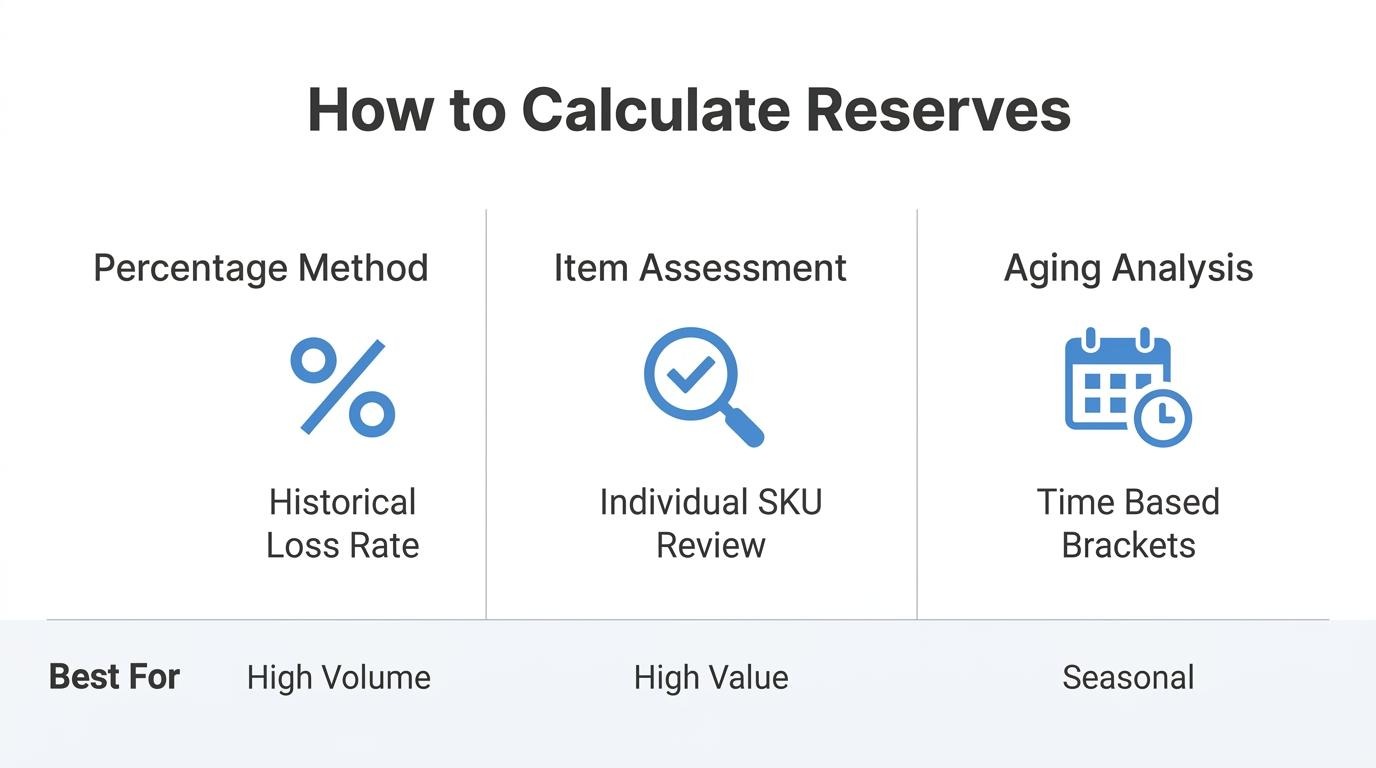
Collect at least five to ten years of historical financial data. You need to understand volatility, not just averages. For asset-heavy reserves, pull market data on the underlying assets. Use provider-backed tools to track current valuations. Static prices are dangerous in reserve planning because they don't reflect real-time liquidity or market sentiment. You need to see how your reserve assets perform when the broader market is under pressure.

This is the core of the analysis. Model different scenarios: a mild recession, a moderate downturn, and a severe crisis. How does your reserve hold up if revenue drops by 10%? What if expenses spike by 15%? The goal is to find the "break-even" point where your reserves are depleted. This helps you set a target reserve level that isn't just a guess, but a calculated buffer against specific, quantifiable risks.

Look at how similar organizations size their reserves. If your peers maintain a 20% reserve ratio while you only have 10%, you are taking on more risk. Use comparison tables to benchmark your reserve levels against industry standards or peer groups. This step helps you identify if you are under-reserved (risking insolvency) or over-reserved (tying up capital that could be used for growth or service delivery).
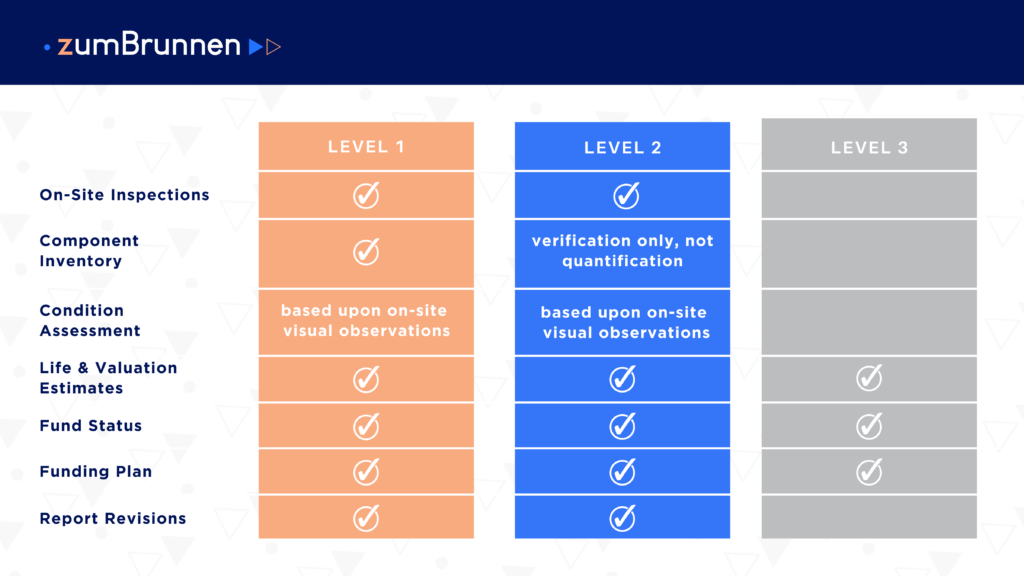
Finally, document your methodology and create a formal reserve policy. This policy should state the target reserve level, the frequency of reviews, and the triggers for adjusting the reserve. Reserve analysis isn't a one-time event; it's a continuous cycle. Review your policy annually or whenever a major market shift occurs. This ensures your reserve strategy evolves with the market, keeping your organization financially resilient.
The chart above shows the volatility of a broad market index. When analyzing reserves, you must account for this kind of fluctuation. A static reserve number doesn't account for the fact that your reserve assets might lose value at the exact same time your organization needs cash. This is why dynamic, scenario-based analysis is superior to static budgeting.
Choosing a reserve sizing model
The first step in strategic reserve analysis is picking a sizing model that matches your organization’s risk tolerance. There is no single correct answer, but the most common approaches fall into three categories: revenue-based percentages, operating expense months, and risk-adjusted calculations.
The Government Finance Officers Association (GFOA) recommends that local governments maintain reserves equal to two months of operating revenue, or approximately 16.7% of annual revenue. This benchmark is widely used by municipalities because it is simple to calculate and easy to communicate to stakeholders. However, it treats all revenue streams as equally risky, which may not reflect the volatility of your specific funding sources.
Another common approach is the operating expense model, where reserves are sized to cover a specific number of months of core operational costs. This method is often preferred by non-profits or private entities with irregular income streams. It ensures that payroll and essential services can continue even if revenue dries up temporarily. The downside is that it can lead to over-reserving during high-growth periods, tying up capital that could otherwise be invested.
For organizations with high stakes and complex risk profiles, a risk-adjusted model is often necessary. This approach uses historical data and scenario analysis to determine how much capital is needed to absorb potential shocks. While more accurate, it requires more sophisticated data and ongoing maintenance to remain relevant.
| Model | Basis | Best For | Complexity |
|---|---|---|---|
| Revenue Percentage | 16.7% of annual revenue | Municipalities, stable nonprofits | Low |
| Operating Months | 3-6 months of expenses | Variable-income businesses | Medium |
| Risk-Adjusted | Probabilistic risk analysis | High-volatility sectors | High |
Common questions about reserve analysis
Reserve analysis serves as a critical checkpoint for financial and project planning. It evaluates whether the current buffer of funds or time is sufficient to handle remaining risks. Without this assessment, organizations may underestimate exposure or over-allocate capital, leading to inefficiency or insolvency.
What is the purpose of reserve analysis?
The primary purpose is to determine if existing reserves can cover potential future uncertainties. As noted by project management standards, this method evaluates risk levels to ensure the reserve is adequate for the remaining scope. It prevents underfunding by quantifying the gap between current holdings and potential liabilities.
How much should a city have in reserves?
For local governments, the Government Finance Officers Association (GFOA) recommends maintaining reserves equal to two months of operating revenue. This translates to approximately 16.7% of annual revenue. This benchmark helps municipalities weather economic downturns or unexpected revenue shortfalls without cutting essential services.
What are the four stages of risk analysis?
Effective reserve analysis follows a structured four-stage process: identify, assess, respond, and monitor. First, risks are identified. Next, they are assessed for probability and impact. Then, response strategies are implemented. Finally, ongoing monitoring ensures the reserve remains aligned with changing conditions. This cycle keeps the reserve dynamic rather than static.
What is the reserve method?
The reserve method refers to the specific methodologies and judgments used to determine economic reserves. It involves setting aside funds based on historical data, projected liabilities, and regulatory requirements. This structured approach ensures that reserves are calculated consistently and transparently, supporting long-term financial stability.
Helpful gear
Use these product recommendations as a starting point, then choose the size, material, and price point that fit how you actually use the gear.

As an Amazon Associate, we may earn from qualifying purchases.
No comments yet. Be the first to share your thoughts!